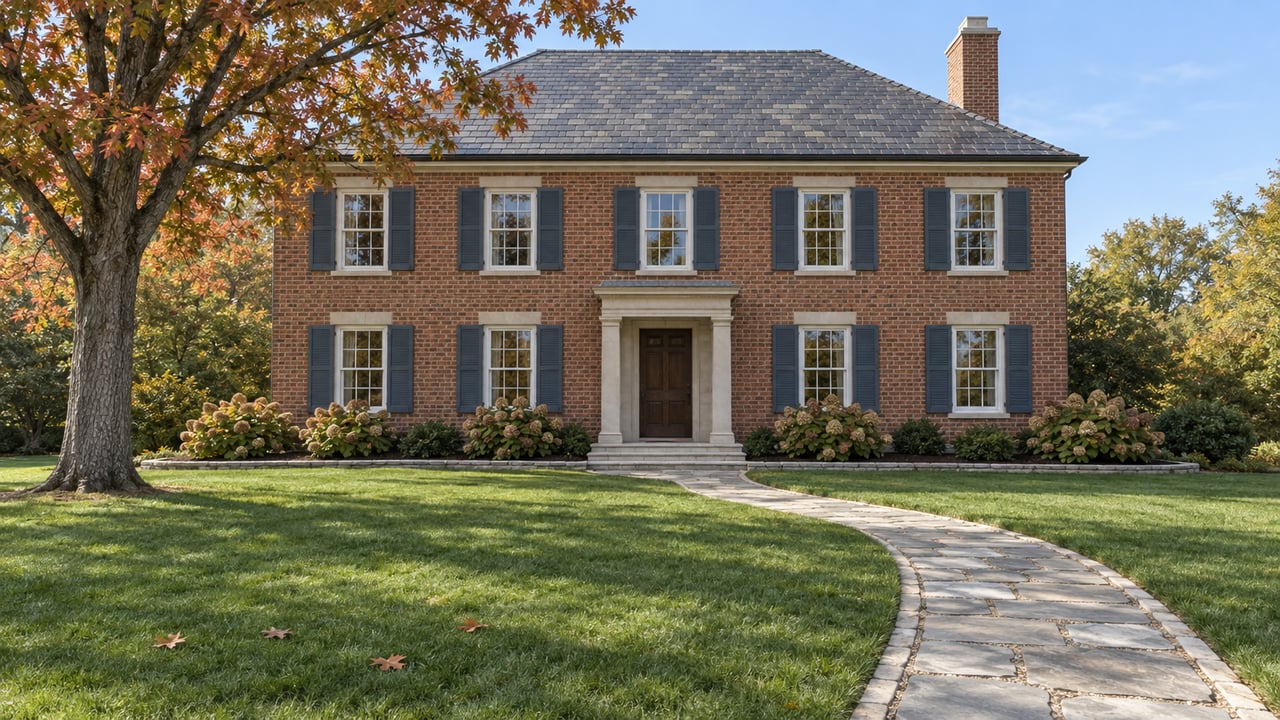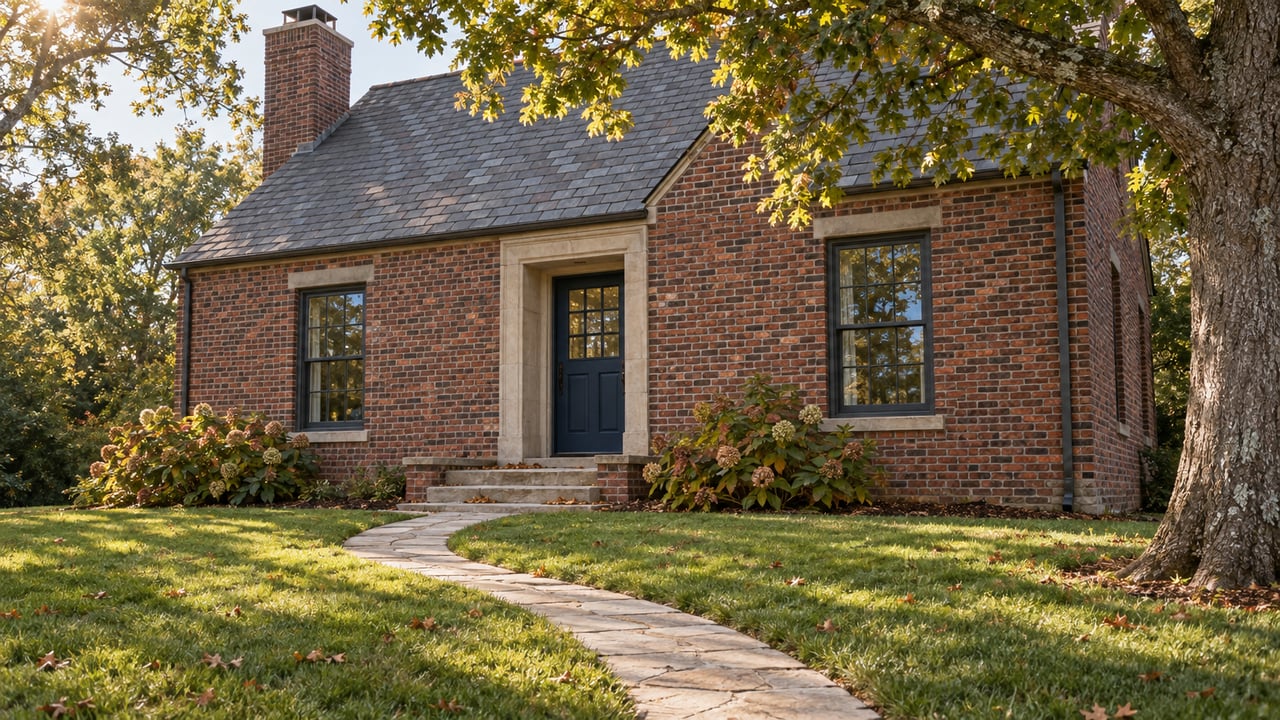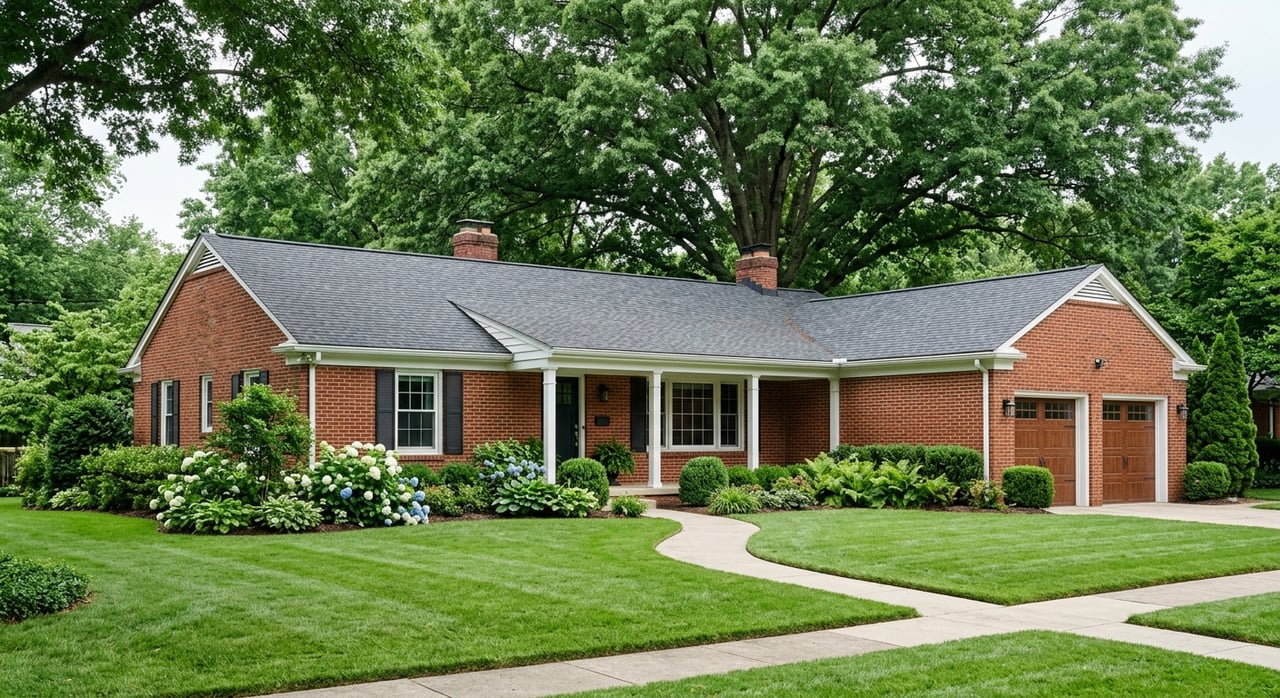
If you are looking at older homes in Burr Ridge and wondering whether you are buying a renovation project or a land play, you are asking the right question. In a high-value market with mature neighborhoods, wooded settings, and steady demand for distinctive homes, the answer can change the entire deal. This guide will help you spot Burr Ridge tear-down opportunities more wisely, avoid common misreads, and evaluate a property with a sharper eye. Let’s dive in.
Why Burr Ridge Gets Attention
Burr Ridge has several traits that make tear-down analysis especially relevant. The village describes its long-term vision as a low-density suburb with wooded settings, privacy, and distinctive homes. It also saw major residential growth from 1970 to 2000, which means some neighborhoods now have older housing sitting in a market that still values larger, updated custom homes.
Recent market snapshots reinforce that this is a high-value area. Realtor.com reported 46 homes for sale, a median listing price of $1.3 million, and 32 median days on market in May 2026. Redfin reported a $1.12 million median sale price and 45 median days on market over the three months ending in May 2026, which suggests a valuable market that still requires careful pricing and realistic timing.
That matters because a tear-down opportunity is rarely just about a dated house. In Burr Ridge, the more important question is whether the site can support a better end product than the current home does.
Start With the Land, Not the House
One of the smartest ways to evaluate a possible tear-down is to think like an appraiser before you think like a remodeler. The Appraisal Institute frames highest and best use through four tests: physically possible, legally permissible, financially feasible, and maximally productive. That structure helps you avoid chasing a property just because it looks tired from the street.
In plain terms, a Burr Ridge property becomes more compelling as a tear-down when the lot value, replacement-home potential, and buyer demand outweigh the value of keeping the existing structure. That does not mean every older home is a candidate. It means you should analyze the parcel as if it were vacant and also as currently improved, then compare which path makes more economic sense.
This is also why there is no magic tear-down ratio for Burr Ridge. Every property depends on its lot, its zoning, its utility setup, its location within the village, and the likely resale value of a rebuilt home.
Signs a Home May Be a Tear-Down
The strongest signals are usually economic and functional, not cosmetic. A home that looks outdated is not automatically a tear-down, and a clean-looking house is not automatically worth saving.
Here are some of the more credible signs to watch for:
- The layout no longer fits what buyers in the area expect.
- Deferred maintenance is so extensive that fixing it may not make financial sense.
- The house is materially below the surrounding lot and price tier.
- Even after renovation, the home would still be difficult to sell competitively.
- The lot appears capable of supporting a more marketable replacement home.
A key point from appraisal practice is that current use should not be assumed to be the best use just because zoning allows it. In other words, the property may be legally usable as-is, but that does not automatically make the existing house the smartest value choice.
What Burr Ridge Buyers Should Verify First
Before you get too attached to the upside, focus on the local checks that can make or break timing and costs. Burr Ridge is an active review environment, not a place where you should assume a simple scrape-and-build path.
The village says its comprehensive plan, zoning ordinance, subdivision ordinance, and building ordinance work together to guide development. That means a project may touch multiple layers of review depending on what you want to build and whether the proposal fits the site and surrounding pattern.
Zoning and approval path
The Plan Commission and Zoning Board of Appeals handle matters such as rezoning, zoning text changes, special uses, variations, and subdivision proposals. Most of these matters require public hearing notice, including mailed notice to owners within at least 750 feet of the property. Some approvals can also come with conditions, such as added buffering or landscaping.
For you, that means a replacement-home plan needs to be tested against setbacks, site constraints, and any variance needs early. If your concept only works with aggressive assumptions, the deal may be weaker than it first appears.
Permits and demolition requirements
Burr Ridge requires permits for new construction, additions, foundation work, wall relocation or removal, plumbing and electrical alterations, grade changes, and similar structural work. For demolition, the village says applicants must notify adjoining owners within 250 feet at least seven days in advance.
Demolition materials also require paperwork, utility disconnect documentation, a survey showing utility lines and accessory structures, and a cash bond. Those are not small details. They are part of the real cost and timeline of the project.
Utilities, sewer, and septic status
Utility verification is one of the most important pre-closing steps in Burr Ridge. Properties are served differently depending on whether they sit in Cook County or DuPage County, and some DuPage properties have different sewer providers depending on location relative to I-55.
A small number of properties are still on septic. The village also states that sewer service line repairs beyond the municipal main are the owner’s responsibility, which means a hidden issue here can affect your budget fast.
How to Judge Financial Feasibility
A tear-down can look exciting on paper and still fail under real numbers. Burr Ridge supports high-end values, but recent data suggest a market that is valuable rather than overheated. That means you should underwrite conservatively.
When reviewing a possible acquisition, make sure you account for more than the purchase price and new construction cost. You also need to model demolition, utility disconnects, permits, stormwater work, carrying costs, taxes, and construction duration.
Use comps the right way
The Appraisal Institute notes that land value is best estimated using verified comparable vacant-land sales, and the site should be analyzed both as vacant and as improved. In practice, that means you should not rely only on resale comps for finished homes.
A smarter comp set usually includes:
- Recent vacant-land sales
- Tear-down transactions
- New-construction resales
- Relevant renovated-home sales for comparison
If those data points do not show a clear lift in value from redevelopment, the property may not be as strong a tear-down candidate as it seems.
Respect hold time and exit timing
Burr Ridge benefits from access to I-55, I-294, Route 83, downtown Chicago, Midway, and O’Hare. That regional access helps support buyer demand for well-positioned homes. Still, public market trackers show a pace that requires patience, not overly aggressive assumptions.
For that reason, your exit strategy should include realistic time for approvals, demo, build, marketing, and sale. A high-value market can still punish a rushed or overly optimistic pro forma.
Neighborhood Fit Still Matters
One of the biggest mistakes in tear-down analysis is focusing only on what can be built, instead of what should be built. Burr Ridge’s planning language emphasizes low-density neighborhoods, wooded settings, privacy, and distinctive homes. That gives you a clear clue about the kind of replacement product most likely to fit.
The safest exits are usually homes that feel substantial and custom without overpowering the site or clashing with the surrounding pattern. A lot that can support a better home than the current one is attractive. A lot that only supports an overreaching concept may be riskier than it looks.
This is where local judgment matters. The goal is not simply to build bigger. The goal is to build something that aligns with the parcel, approvals path, and likely buyer expectations.
A Practical Screening Checklist
If you want a simple way to filter opportunities before going too deep, use this checklist:
- Does the parcel support your intended replacement home under current zoning and setbacks?
- Would the project likely need a variance, special approval, or subdivision review?
- Are there recent vacant-land, tear-down, and new-construction comps that support the plan?
- Have you modeled demolition, utility disconnects, permits, stormwater, taxes, and carrying costs?
- Have you confirmed sewer, septic, easements, and service responsibilities by parcel?
- Does the finished home fit Burr Ridge’s neighborhood scale and planning character?
- If you renovated instead of rebuilt, would the existing home still lag the market?
If several of these answers are unclear, the opportunity may need more diligence before it deserves your offer.
Why Appraisal-Backed Analysis Helps
In a market like Burr Ridge, tear-down decisions are rarely simple. You are not just pricing a house. You are weighing land value, replacement potential, approvals, utility risk, and resale timing all at once.
That is why an appraisal-informed approach can be so useful. It helps you separate a property that is merely old from one that is genuinely underimproved for its site. It also helps you avoid overpaying for perceived upside that may not survive zoning review or construction budgeting.
When you treat the parcel as a land decision first and a house decision second, you usually make better choices. That mindset can save you from costly surprises and help you focus on opportunities with clearer upside.
If you are evaluating Burr Ridge properties and want a grounded opinion on value, redevelopment potential, or pricing strategy, Scott Heichert can help you move confidently with appraisal-backed insight and local market perspective.
FAQs
What makes a Burr Ridge home a possible tear-down opportunity?
- A Burr Ridge home may be a tear-down candidate when the lot can support a more valuable replacement home, the existing layout is functionally outdated, deferred maintenance is too expensive to cure, or the house sits below the surrounding market tier.
What approvals matter for a Burr Ridge tear-down project?
- Depending on the property and plan, you may need to review zoning, setbacks, possible variations, subdivision rules, public hearing requirements, demolition paperwork, and building permits for the replacement home.
What should you verify about utilities before buying in Burr Ridge?
- You should confirm the parcel’s sewer or septic status, service provider, county-related utility setup, and whether any repair responsibility could fall on the owner beyond the municipal main.
How should you value a Burr Ridge tear-down property?
- The safest approach is to analyze the site both as vacant and as improved, use verified vacant-land and teardown-related comps where possible, and test whether redevelopment is physically possible, legally permissible, financially feasible, and maximally productive.
Is Burr Ridge a fast resale market for rebuilt homes?
- Current data suggest Burr Ridge is a high-value market, but not one where you should assume an instant sale, so it is wise to underwrite hold time, carrying costs, and construction duration conservatively.