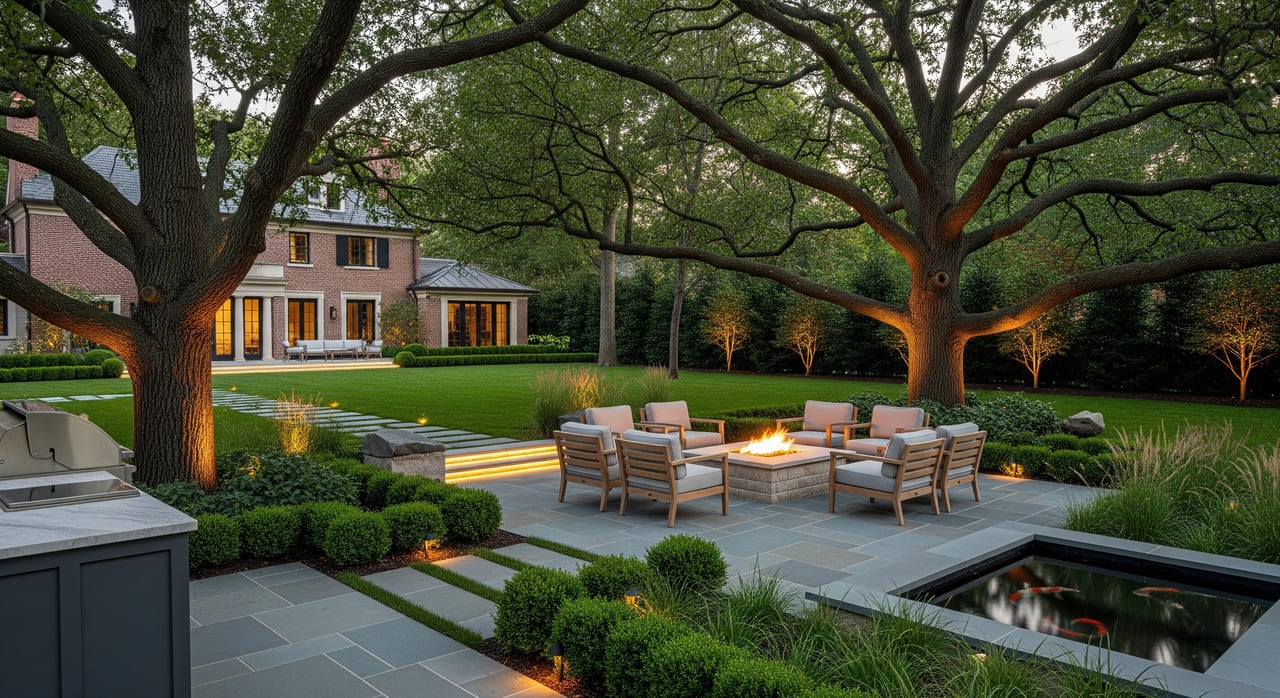
Is summer sun making your Oak Brook yard feel hotter than it should? With the right shade plan, you can cool outdoor spaces, protect your home from heat gain, and boost curb appeal in a way that fits village practices. If you are thinking about planting trees or upgrading your landscape, a little planning goes a long way. In this guide, you will learn how to choose shade trees, where to place them, and how to care for them so they add comfort and value over time. Let’s dive in.
Know Oak Brook’s rules and rights‑of‑way
Oak Brook maintains a robust parkway tree program. The village manages roughly 9,000 public right‑of‑way trees, which means you should not plant, prune, or remove any parkway tree without village approval. Parkway trees are those between the curb and sidewalk or anywhere in the public right‑of‑way.
Before you alter a parkway space or request a new street tree, contact the Village of Oak Brook Public Works and Forestry team for current procedures, permits, and any approved species lists. You can start with the village site’s main portal and reach the appropriate department from there through the Public Works pages at the Village of Oak Brook website. Ask about available planting programs, replacements, and any cost‑share options.
Always call JULIE at 811 before you dig. Whether you are planting a small ornamental or a large shade tree, utility locating is essential for safety and to avoid costly service interruptions. You can learn more at JULIE 811.
Oak Brook sits in a northern Illinois climate with cold winters and warm, often humid summers. Most of DuPage County falls in USDA zones 5b to 6a. Confirm your exact microclimate by using the USDA Plant Hardiness Zone Map. Choose species hardy to our zone range and consider winter salt exposure near roads and driveways.
Where shade works best on your lot
Use orientation to your advantage
For summer cooling, place deciduous shade trees on the south and west sides of your home. Those trees intercept intense afternoon sun in July and August, which can lower interior heat gain. In winter, they drop leaves so low sun can warm your home naturally.
If you have tight spaces near patios or under power lines, use smaller ornamental trees. Reserve large canopy trees for roof and west facade shade. Even a single well‑placed tree can change how your yard feels on the hottest afternoons.
Follow simple placement distances
Trees need room for roots and canopy. As a rule of thumb, plant:
- Small trees 10 to 15 feet from your house or other structures.
- Medium trees 20 to 30 feet from structures.
- Large trees 30 feet or more from structures.
Adjust based on the mature spread and root behavior of the specific species you select. Avoid planting large trees right next to foundations, sidewalks, or driveways to limit future conflicts.
Target shade for maximum cooling
Trees cool two ways: they cast shade and they release moisture that lowers surrounding air temperatures. You will see the biggest comfort and energy benefits when you shade the roof, west and southwest walls, and outdoor condenser units. Even small trees or tall shrubs can shade patios and windows that bake in late‑day sun. For winter wind protection, consider evergreens on the north side of your yard. For an overview on how trees reduce heat, explore the EPA’s guidance on using trees and vegetation to lower heat.
Best trees for Oak Brook yards
The right tree matches your site, your goals, and local stressors like salt and compacted soils. Favor species suited to zone 5b to 6a and look for options that handle urban conditions.
Large canopy shade trees
- Oaks (Quercus spp.). Long‑lived with strong canopy and wildlife value. Bur oak handles a wide range of soils and urban stress. Red and white oaks are excellent shade trees with site‑appropriate placement.
- Ginkgo (male cultivars). Very tolerant of salt and urban stress, with standout fall color. Choose male cultivars to avoid fruit.
- Honeylocust (thornless types). Light, dappled shade that lawn grasses tolerate well. Some cultivars can face pest pressure, so choose carefully.
- Kentucky coffeetree. Tough, drought‑tolerant shade tree. Coarser look when young, then develops a comfortable canopy.
- Hackberry. Workhorse tree that tolerates urban soils and exposure.
- Linden/Basswood (Tilia spp.). Attractive form and dependable shade. Monitor for aphids and sooty mold in certain seasons.
- Disease‑resistant elms. Modern cultivars can deliver classic elm shade with improved disease resistance.
- Maples. Sugar maple offers top‑tier fall color but is sensitive to salt. Confirm site fit before planting near roads.
Smaller trees for patios and under wires
- Serviceberry. Four‑season interest with flowers and fruit that support local wildlife.
- Japanese tree lilac. Reliable bloom and compact habit for small spaces.
- Crabapples (disease‑resistant cultivars). Pick resistant varieties to reduce maintenance.
- Redbud. Spring bloom and modest size, great near seating areas.
For species details, sizing, and site fit, the region’s leading resource is the Morton Arboretum. You can also find planting and care guidance through the University of Illinois Extension.
Parkway and salt considerations
Parkway trees face extra heat, limited soil volume, and road salt. Choose species with higher salt tolerance and coordinate with the village to follow approved lists and spacing. Oak Brook manages parkway planting and pruning cycles, so align your private yard choices with the existing public canopy for a cohesive street look.
Pruning and care that extend tree life
Healthy trees need early structure and periodic tune‑ups. Proper timing and techniques help prevent breakage and reduce long‑term costs.
Years 1 to 7: start strong
Begin formative pruning within the first 1 to 3 years after planting. Remove competing leaders, tight crotch angles, and crossing or weak branches. Keep a 2 to 4 inch mulch layer in a donut shape, with mulch pulled back from the trunk flare. Water during dry spells until roots establish.
Long‑term cadence and safety
- Young trees: plan corrective pruning every 2 to 4 years.
- Mature trees: schedule routine maintenance and safety checks every 3 to 7 years, based on species and site stress.
- Storm response: remove hazardous or damaged limbs as needed after weather events or when you see decay.
Avoid topping, which harms structure and shortens a tree’s life. For large or technical work, hire an ISA‑certified arborist who follows ANSI A300 standards. To find a qualified pro, use the ISA’s consumer directory at TreesAreGood.org. For local pruning windows and disease alerts such as oak wilt timing, check the University of Illinois Extension for regional updates.
If a tree is in the parkway, do not prune it yourself. Oak Brook often maintains a schedule for public tree care, so coordinate with the village for service or concerns.
Resale, comfort, and curb appeal
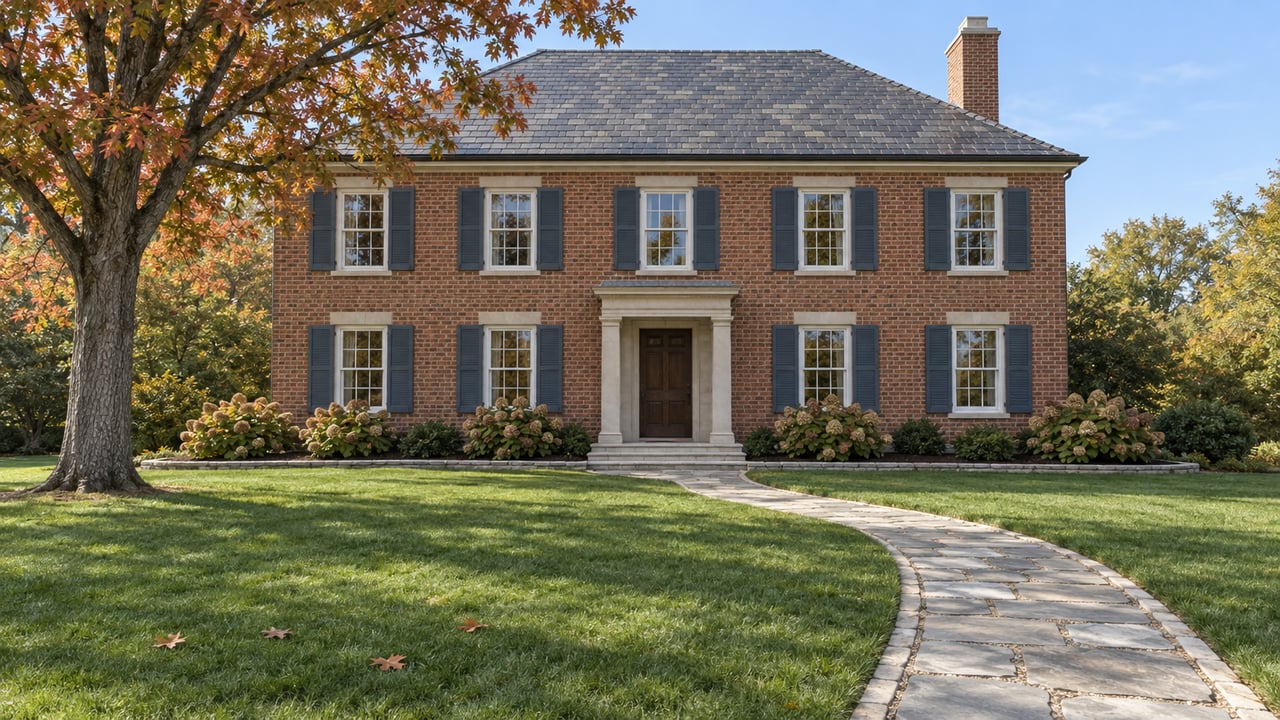
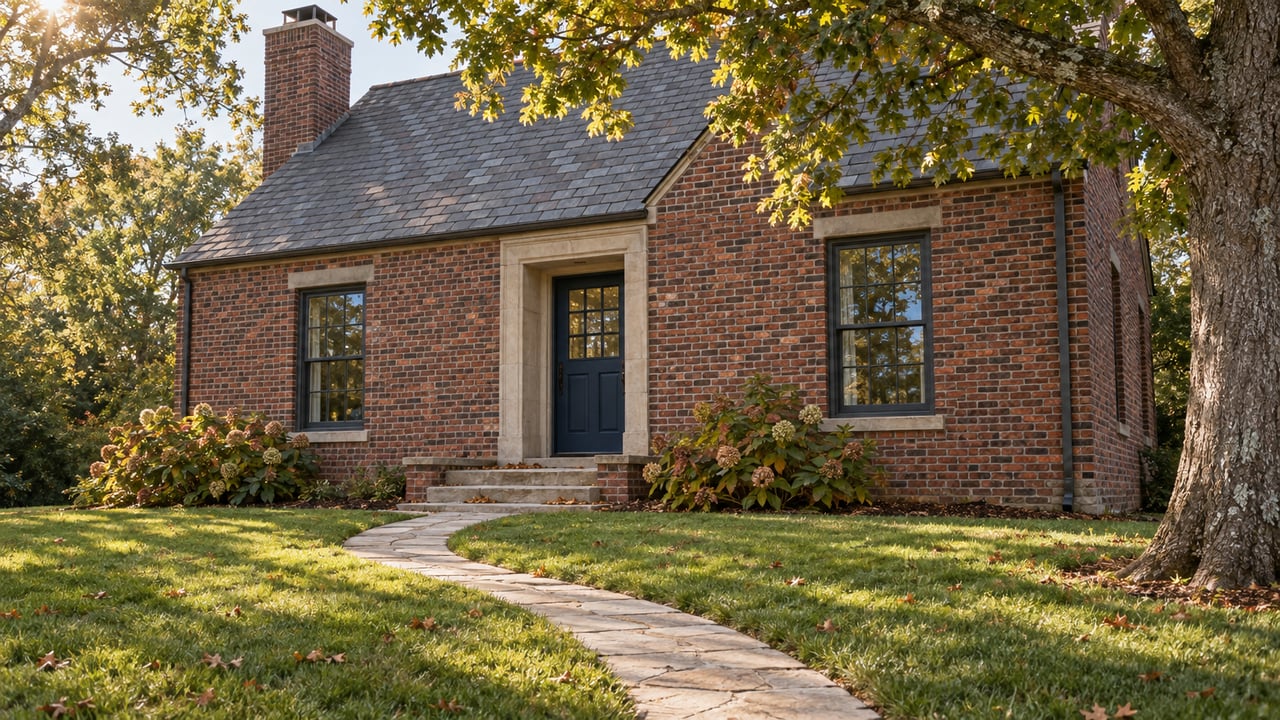
Mature, healthy shade trees are a top curb appeal boost for Oak Brook homes. Buyers notice balanced canopy that frames the house, summer‑friendly outdoor spaces, and energy‑savvy placement that shelters west‑facing rooms. Trees that are well chosen and well cared for can make your listing feel cooler, calmer, and more inviting.
Be cautious about overpromising a specific price impact. The effect on sale price varies by species, size, condition, and neighborhood context. Focus on what you can control: smart placement, professional pruning, and strong health.
What buyers value right now
- Shade over patios, decks, and play areas that supports summer living.
- Canopy that softens the facade without hiding the home.
- Low‑maintenance or disease‑resistant specimens.
- A yard plan that aligns with public parkway trees for a cohesive street scene.
Costs, timing, and ROI basics
- Upfront costs: tree purchase, planting, staking, mulch, and watering setup.
- Ongoing costs: formative pruning in early years, periodic maintenance, and pest or disease monitoring as needed.
- Long‑term benefits: cooler interiors in summer, improved stormwater absorption, and elevated marketability.
Oak Brook yard upgrade checklist
- Assess the site: sun patterns, drainage, overhead lines, space to mature, soil compaction.
- Confirm village rules: parkway versus private yard, permits, and any approved species lists through the Village of Oak Brook.
- Call JULIE 811 before any digging.
- Select species for zone 5b to 6a, salt tolerance, and your goal, such as roof shade or patio comfort. Use resources from the Morton Arboretum and Illinois Extension.
- Plant in early spring or fall for the best establishment.
- Plant correctly: set the root flare at grade, backfill, mulch, and water on a schedule during the first seasons.
- Plan formative pruning in years 1 to 3 and build a maintenance cadence.
- Monitor for pests and diseases and avoid pruning oaks during high‑risk windows for oak wilt.
- Keep records: species, planting date, and any warranties for future buyers.
When you plan your shade strategy with placement, species, and care in mind, you get a cooler yard, a more efficient home, and an asset that supports resale. If you are coordinating with parkway trees, start with the village and build a private‑yard plan that complements the street canopy.
Ready to align shade upgrades with your long‑term goals and potential resale plans? Reach out for local guidance and valuation‑minded advice. Move Confidently. Contact Unknown Company to talk through your Oak Brook yard and next steps.
FAQs
Do I need permission to plant a parkway tree in Oak Brook?
- Yes. Parkway trees are in the public right‑of‑way. Contact the Village of Oak Brook’s Public Works and Forestry team before planting, pruning, or removing any parkway tree.
Which shade trees handle road salt near curbs or driveways?
- Consider bur oak, ginkgo male cultivars, hackberry, honeylocust, and Kentucky coffeetree. Confirm site specifics and check village guidance for parkway suitability.
How far from my house should I plant a new shade tree?
- As a rule: small trees 10 to 15 feet, medium trees 20 to 30 feet, and large trees 30 feet or more from structures. Adjust by the species’ mature size.
When should I prune a young tree, and how often later?
- Start formative pruning within 1 to 3 years after planting. Then plan inspections and pruning every 2 to 4 years for young trees and every 3 to 7 years for mature trees.
Will tree roots damage my foundation or sidewalks?
- Proper species selection and planting distance greatly reduce risk. Give large trees enough space, avoid planting too close to hardscapes, and use root barriers when advised by a certified arborist.
Can trees really lower my summer cooling bills?
- Yes, results vary by placement, size, and house construction. Shading the roof, west and southwest walls, and AC units usually provides the largest benefit. The EPA outlines how trees reduce local heat and energy use.
Who should I hire for pruning or removals on private property?
- Hire an ISA‑certified arborist who follows ANSI A300 standards. Use the ISA directory at TreesAreGood.org to find qualified pros.