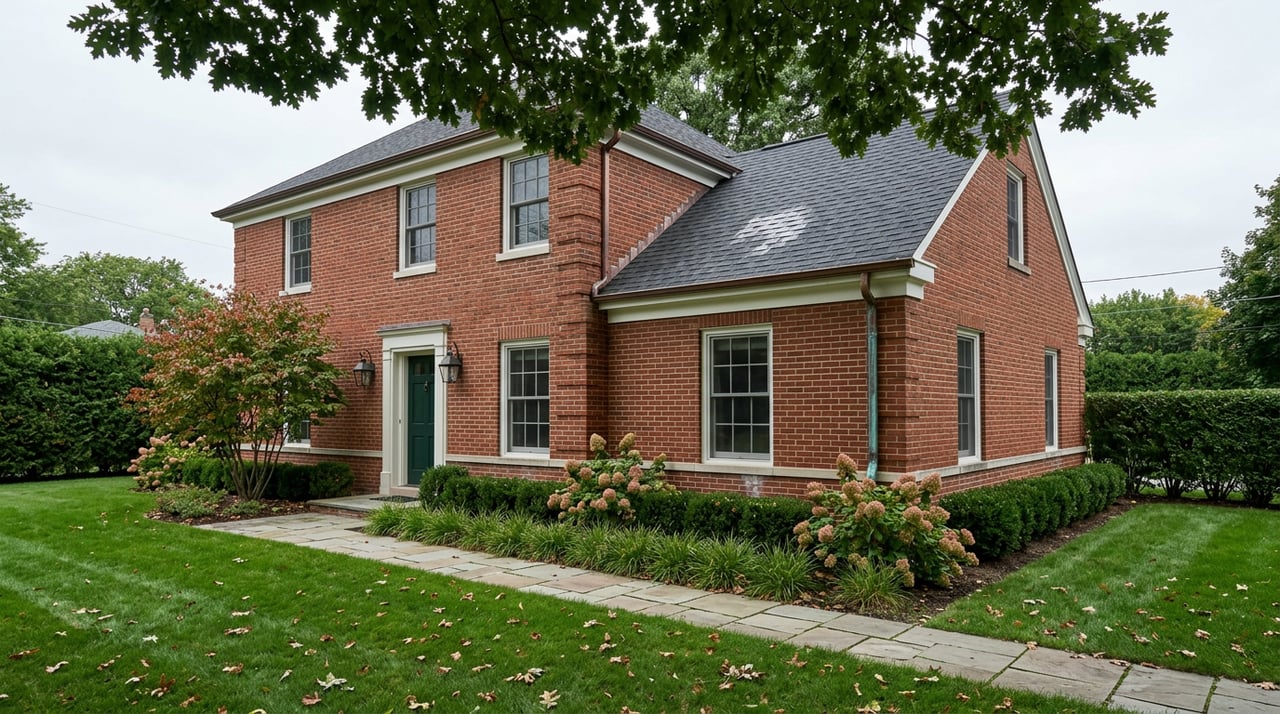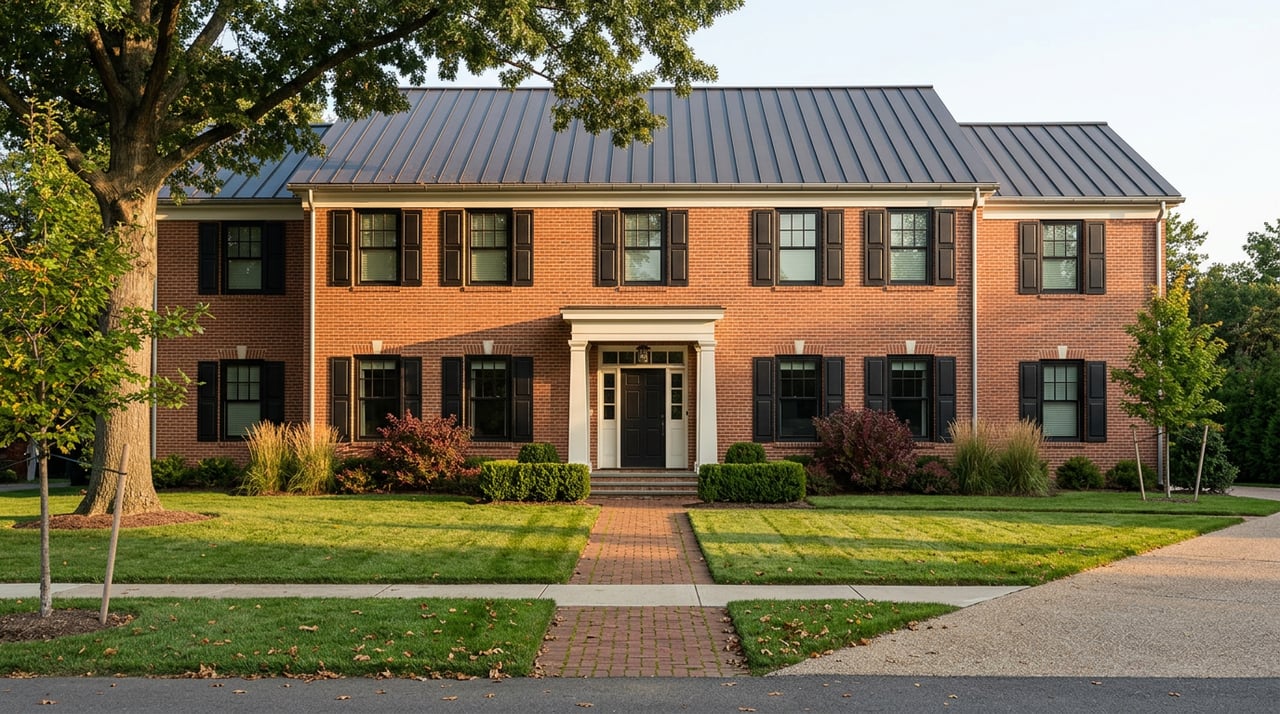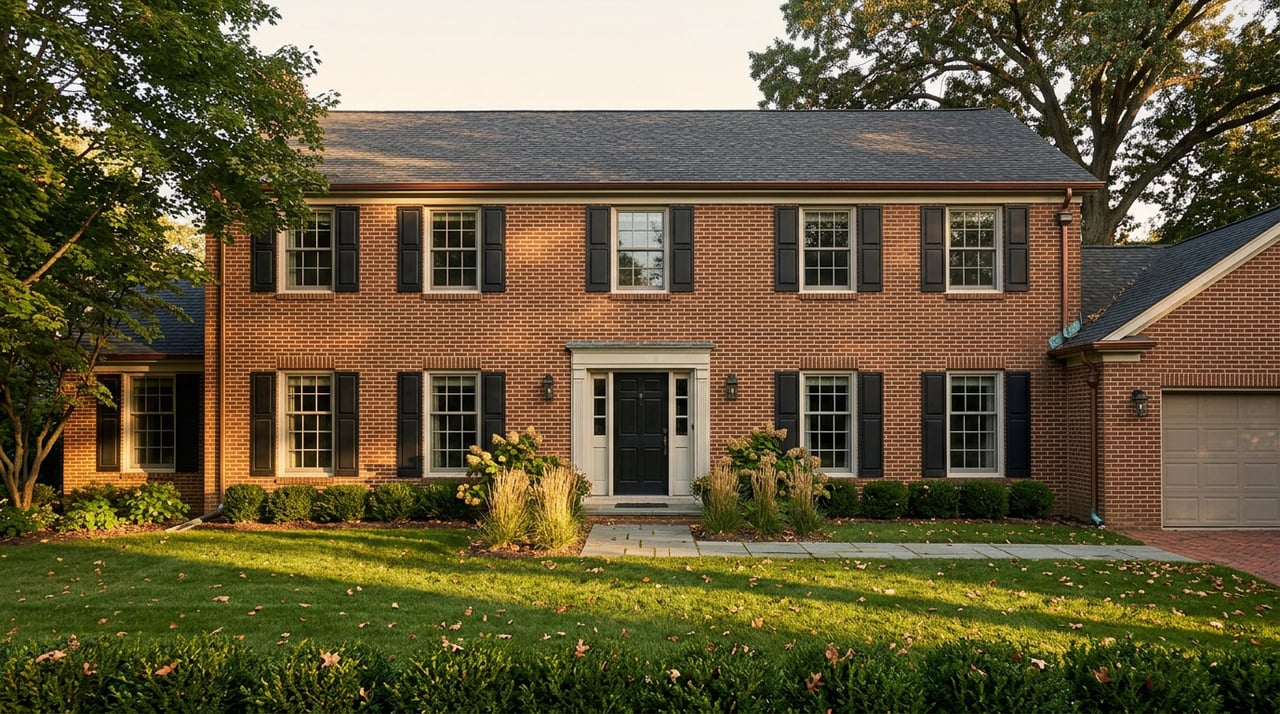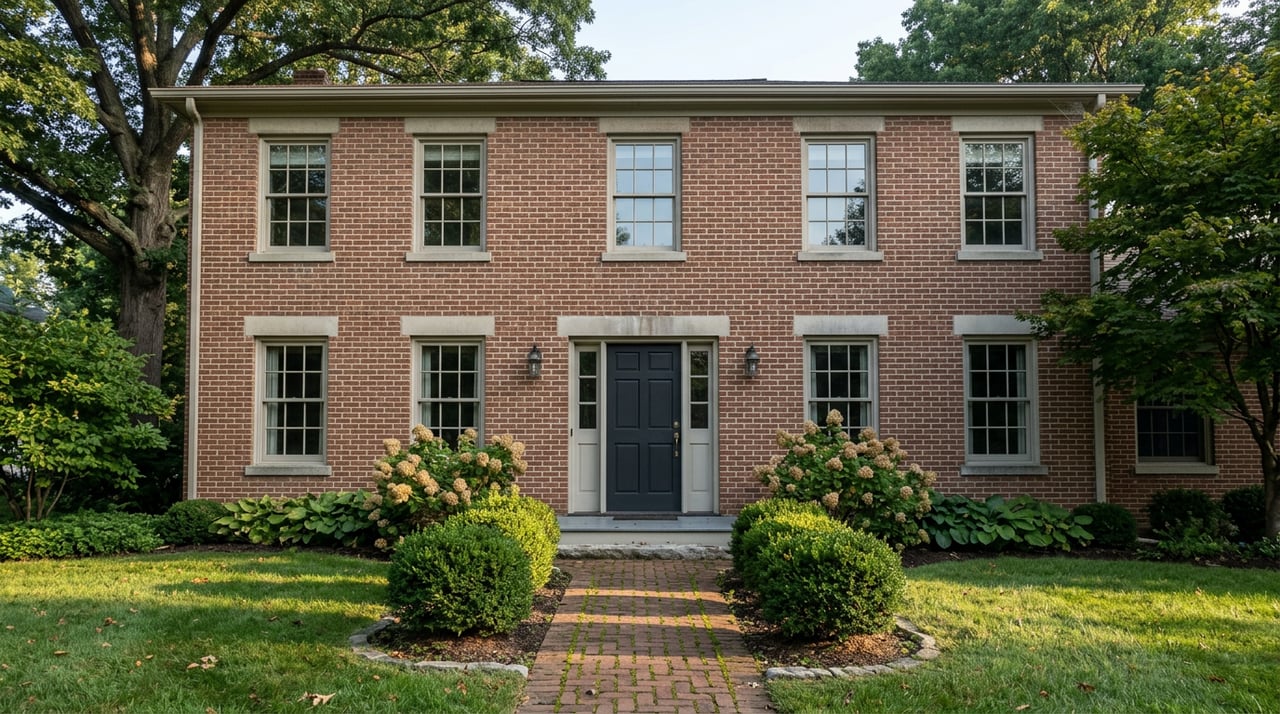
For most of 2024 and well into 2025, the oldest named house in Hinsdale sat on the market with almost no one calling about the house. Built in 1869 for William Whitney, the man responsible for incorporating the village, the Italianate home at 142 E. First St. was the first Hinsdale property placed on the National Register of Historic Places. Longtime residents knew it as the Hallmark House, after a 1970 television commercial filmed there. It had served as the rectory for Grace Episcopal Church since 1994, and when the congregation decided to sell, listing agent Kris Berger marketed it as a candidate for restoration under the village's preservation incentive program.
Buyers had a different read. At an open house, visitors asked almost exclusively about the .69-acre lot. Prospective buyer Bob Cimala of Legacy Builders eventually toured the home with contractors who told him the foundation was crumbling and the walls were no longer plumb, with repair costs estimated near $400,000. In August 2025, Hinsdale's Historic Preservation Commission denied his certificate of appropriateness for both the demolition and the design of the replacement house, in its advisory capacity. By May 2026, the village's own community newspaper was writing the house off as gone, calling it one of the district's most painful recent losses, with a multi-million dollar new home rising where it stood.
That sequence, market interest in the dirt, a preservation vote against demolition, and a demolition anyway, is not an exception in Robbins Park. It is how the process is built to work. If you are buying, selling, or building on a lot in this district, understanding that structure matters more than knowing the median price.
The Vote That Doesn't Decide Anything
Robbins Park has been a National Register Historic District since 2008, when 139 homes were judged architecturally significant enough to earn the designation. The neighborhood's bones go back further than that. Village founder William Robbins platted the northern half in 1866, and the southern section, laid out in 1870 with curved streets designed by landscape architect Horace Cleveland, still carries his name.
None of that history gives Hinsdale's Historic Preservation Commission the power to stop a demolition. Hinsdale operates as a non-home-rule municipality, and village attorney Michael Marrs has told the commission directly that if a homeowner's plans meet code, the demolition permit has to be issued regardless of how the commission votes. The commission can deny a certificate of appropriateness, and it has, but that vote is advisory. If a denial happens, the applicant goes to the Village Board within 60 days, and the board's vote is advisory too.
This is the detail that catches people off guard mid-transaction. A buyer who sees "National Register Historic District" in a listing description sometimes assumes that label functions like a legal shield against tear-downs next door, or a legal obstacle against tearing down the house they are buying. It's neither. It is a review process with real steps, real fees, and real time attached to it, layered on top of a demolition right the village cannot ultimately override.
How the Review Actually Runs
Since a 2024 ordinance update, anyone seeking to demolish, relocate, or remove a residence in Robbins Park, or make changes to any landmarked property anywhere in the village, has to move through a defined sequence before a shovel touches the ground:
- File a preliminary application and meet with the village's design review team, which was created specifically to work with homeowners before major design decisions are locked in.
- Receive written feedback from that team within 15 days of the meeting. The team may also require a Historic and Architectural Impact Study, capped at $250, drawing on records already available through the Hinsdale Historical Society.
- Submit the certificate of appropriateness application to the Historic Preservation Commission for a public hearing and vote.
- If the commission denies the certificate, attend a Village Board meeting within 60 days for a second, still-advisory vote.
Village President Tom Cauley described the intent at the time as encouragement rather than control, saying the goal was to nudge owners of historic homes toward preservation without adversely affecting their rights to do what they want with their own property. Trustees also shortened the overall timeline by two months from the version first proposed, a small acknowledgment that the added steps carry real carrying costs for whoever owns the lot while the clock runs.
The village raised the financial stakes at the same time. Demolition fees inside Robbins Park rose from $7,928 to $11,100, a number the village says is meant to cover the added staff and consultant time the review requires. The Village of Hinsdale's own permit page now carries a standing notice warning anyone with a home in the district, or any locally landmarked property, to expect a certificate of appropriateness review before pulling permits for new construction, demolition, or major improvements.
Two Votes, One Pattern
Two recent commission decisions show how this plays out in practice, and they point the same direction: outright demolition denials are rare, but the design of what replaces the old house draws real scrutiny.
In April 2026, the commission reviewed a proposal to demolish a 115-year-old Colonial Revival home at 305 S. Garfield St. and replace it with a new single-family house. Commission Chair John Bohnen voiced real concern that continued turnover from historic to contemporary architecture could eventually jeopardize the district's National Register status. He still voted, along with the rest of the commission, to approve both certificates 5-0, conditioning the approval on adding more brickwork to the facade facing Union Church of Hinsdale next door.
A year earlier, the commission handled a different kind of case at 428 E. First St., a two-and-a-half story Prairie School home built around 1905 that had picked up five additions over the following century. The owner had purchased the property for nearly $3 million in June 2024. The commission had no objection to tearing the house down and approved that certificate unanimously. It then voted 3-1 against the design of the proposed replacement, which sent that piece of the application to the Village Board for its own advisory review.
The lesson sits in the split. Demolition itself rarely stalls once a house is judged unsalvageable, which the commission has been willing to concede even in cases involving named architects and century-old homes. What slows a project down, and what buyers underestimate when they budget a renovation timeline, is disagreement over what gets built next.
Why the Land Wins the Math
The Whitney House sale is worth sitting with a little longer, because it shows what happens when preservation intent runs into repair costs. Berger's listing strategy assumed a buyer would value the history enough to take on a restoration. Instead, the buyer pool signaled the opposite. Cimala's own assessment, that the foundation alone needed roughly $400,000 in work and that no wall in the house was plumb, is the kind of number that makes a "restore this landmark" pitch collapse into "price this as a lot."
Bohnen made the same point at the commission meeting where Cimala's application was denied, saying that had the house been priced as a rehab rather than at land value from the start, someone might have taken it on as a project. Once a listing sits priced above what the structure can support, in a district where teardown activity is common enough that buyers know to run the numbers, the market treats it as a lot regardless of the National Register plaque on the door.
That dynamic isn't unique to one address. Village records show the broader city-wide pace of new-home permits has actually slowed, with roughly 26 processed village-wide in a recent year according to community development director Robb McGinnis, down from what he described as around 120 in his first year on the job. Robbins Park keeps producing headline-worthy losses anyway, because its housing stock is old enough that repair costs frequently outrun renovation logic, even as overall teardown volume elsewhere in the village has eased.
What This Actually Means for You
If you're buying an older home in Robbins Park, budget time as well as money. A property that needs a certificate of appropriateness can add months between offer acceptance and permit issuance, on top of whatever your own contractor's schedule requires. Ask early whether a home is landmarked or on the village's radar for historic review, since that determines whether you're looking at a standard permit path or the longer sequence above.
If you're selling an older home in the district, look honestly at repair costs before deciding how to price it. The Whitney House sat for months priced for a buyer who never appeared. A price that reflects land value from the start, when the structural math calls for it, tends to move faster than a price that hopes a preservationist shows up with a large enough budget.
If you're building new on a teardown lot here, expect the commission to weigh in on materials and massing even when it has already blessed the demolition, as it did with the added brickwork requirement on Garfield Street. Build that negotiation into your design timeline rather than treating the certificate of appropriateness hearing as a formality.
Quick Answers
Can the Historic Preservation Commission stop a demolition in Robbins Park? No. Its vote, and the Village Board's vote if the case is appealed, are both advisory. Under the village's non-home-rule authority, a demolition permit has to be issued if the plans meet code.
How much should I budget for demolition fees inside the district? Demolition fees in Robbins Park currently run $11,100, up from $7,928 before the 2024 ordinance change. A required impact study, when applicable, is capped at $250.
Does the process move faster if I meet with the design review team early? It's built to. The team owes written feedback within 15 days of a preliminary meeting, and trustees shortened the overall ordinance timeline by two months specifically so the added review wouldn't drag on indefinitely.
Robbins Park rewards buyers and sellers who understand which parts of this process are real friction and which are just paperwork. If you're weighing a purchase, a sale, or a teardown lot in Hinsdale and want pricing that accounts for both the structure and the process attached to it, Scott Heichert combines certified appraisal experience with hands-on knowledge of exactly how these local reviews play out. Move Confidently — Request Your Market-Accurate Valuation.