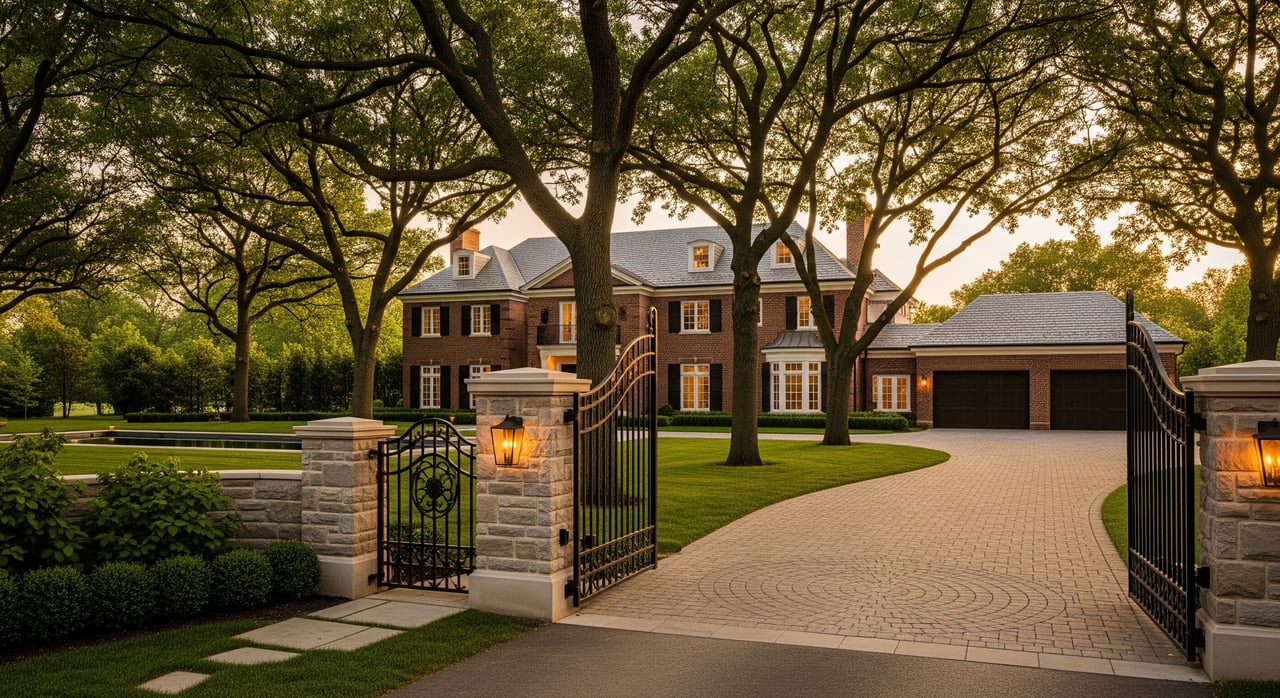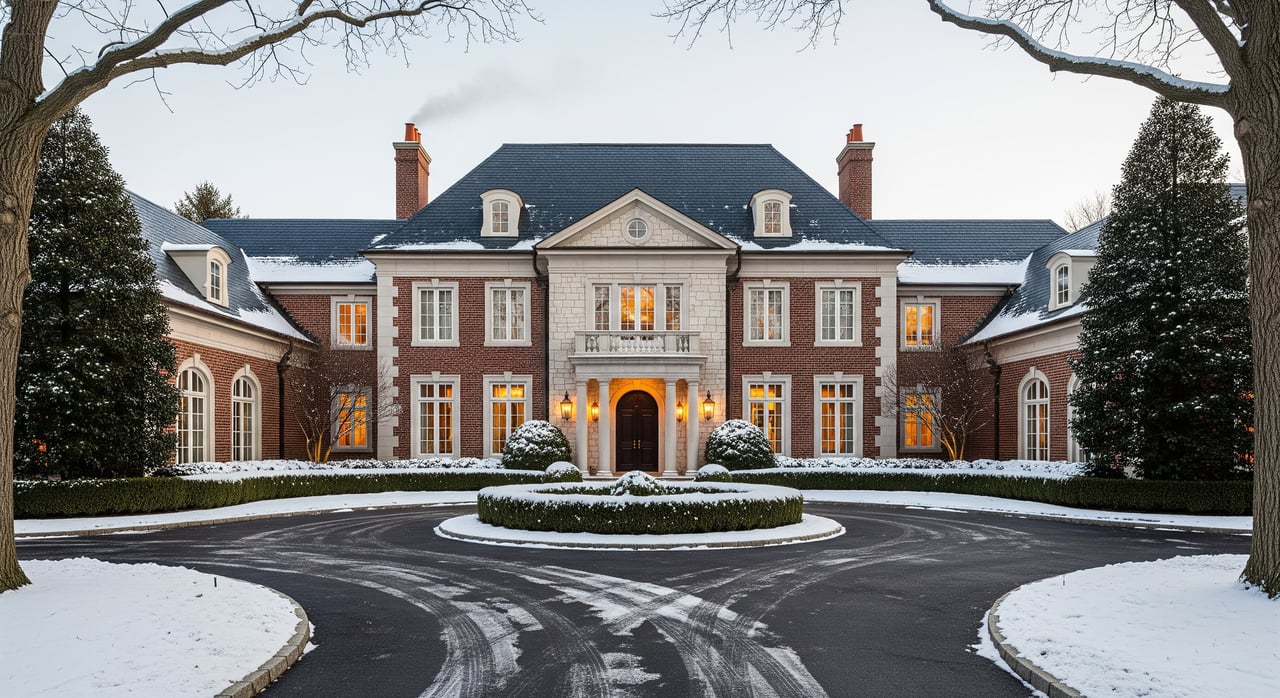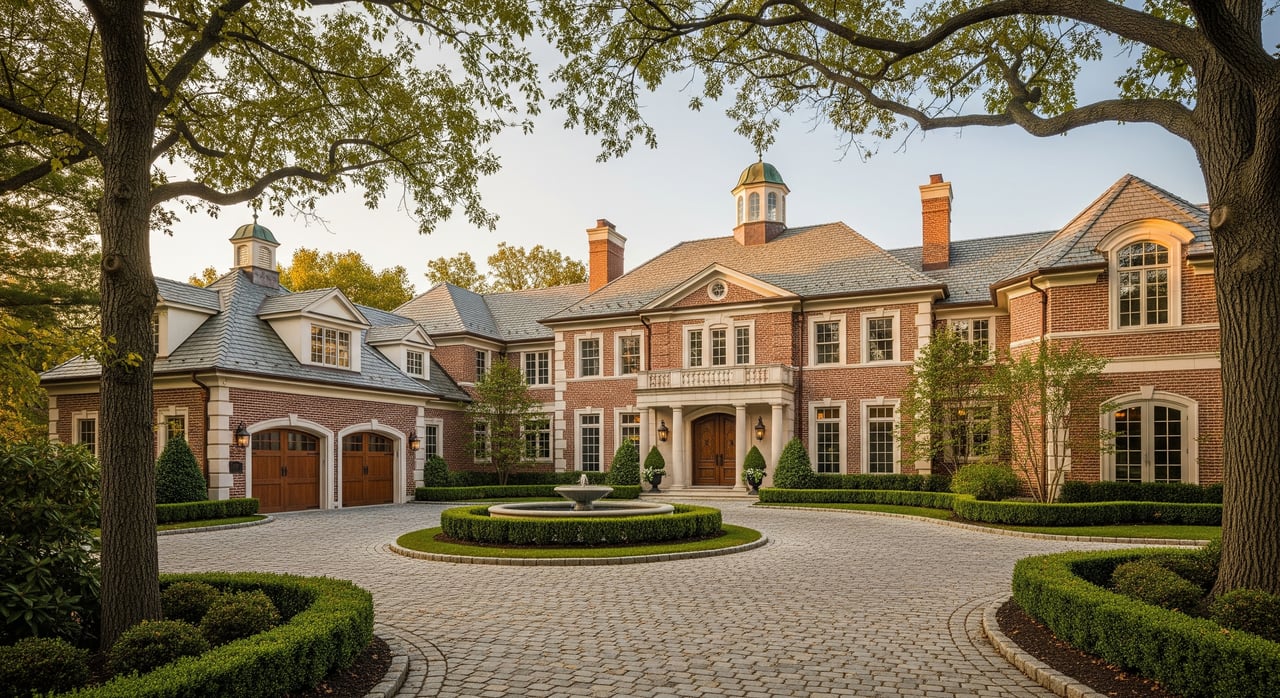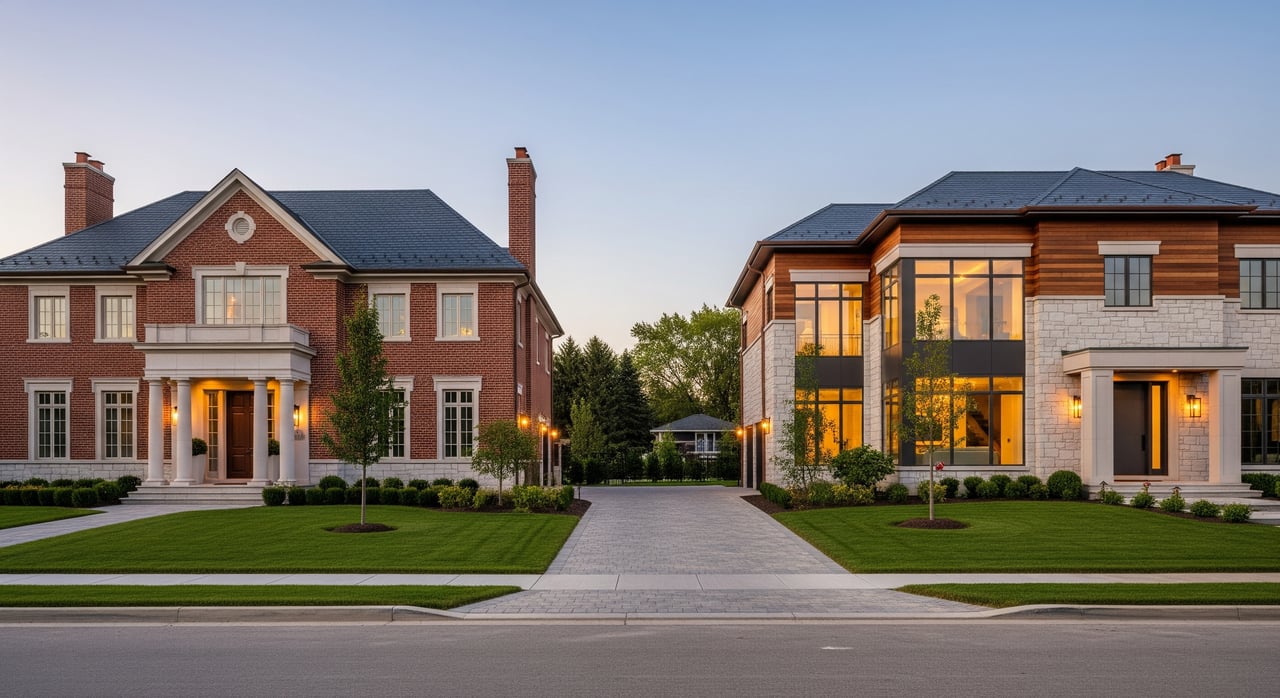
Trying to choose between a brand-new build and a beautifully kept resale in Burr Ridge? You are not alone. The right call affects your budget, timeline, maintenance, financing, and long-term value. In this guide, you will learn what to expect with each option in Burr Ridge so you can move forward with clarity and confidence. Let’s dive in.
Burr Ridge market context
Burr Ridge spans both DuPage and Cook counties, and that affects property taxes, permitting, and municipal services. New homes here often come from infill lots or small subdivisions, while most choices are resale properties across established streets. Inventory and days on market shift with the season, and the mix of new versus resale changes as projects start and finish.
If you want precise numbers for price per square foot, months of supply, and active inventory, the most reliable sources are local MLS data and village permit activity. A current snapshot helps you compare a newer build to a resale of similar size, lot, and finish level. That like-for-like view is what keeps your decision grounded.
Price and total cost
New construction often lists at a premium compared to similar resales. Builders price in modern systems, energy features, and the appeal of brand-new. Resales may offer a lower purchase price, especially if you are willing to update finishes over time.
What matters most is your total cost over the first several years:
- Purchase price and closing costs
- Property taxes based on county and assessed value
- Upgrades or change orders on a new build
- Renovations or system replacements on a resale
- Utilities and maintenance
Builders typically include buyer allowances for finishes. If your selections exceed the allowance, expect to pay the difference. Change orders can add cost and extend timelines, so get them in writing up front. On a resale, you may budget for roof, HVAC, or appliance updates based on age and inspection results.
A simple exercise helps you see the full picture. Add principal and interest, estimated taxes and insurance, HOA dues if applicable, projected utilities, and an annual maintenance reserve. Compare those totals for at least the first three years for both options. That side-by-side view clarifies which path fits your budget today and your plans tomorrow.
Customization and quality
With new construction, you can select floor plans, finishes, and systems that match how you live. Modern layouts often include open kitchens, larger primary suites, flexible office space, and higher-efficiency mechanicals. New homes also commonly include builder-backed warranty coverage. Typical structures include workmanship coverage in the first year, systems coverage that extends beyond the first year, and longer structural coverage. Exact terms vary by builder, so review the warranty document carefully.
Resale homes bring established neighborhood character, mature landscaping, and a lived-in feel you cannot manufacture. Many homes have thoughtful updates, while others invite you to renovate over time. If you like a deep lot, a quiet street position, or a unique architectural style, resale can offer options that are hard to find in new developments.
Timing and certainty
Your timeline is a major decision driver. New construction requires time for permitting, selections, vertical construction, and final inspections before you receive a certificate of occupancy. Weather, materials, and municipal review can affect schedules. Closing generally occurs after completion.
Resale purchases usually move faster once you are under contract. You will work through inspections, appraisal, loan approval, and title. While you can sometimes negotiate quick closings, allow enough time for lender and title work so you are not rushed.
If you have a firm move-in deadline, build in buffer time. For a new build, make your selection choices early, confirm lead times for materials, and stay in weekly communication with the builder’s team. For a resale, have your lender documents ready and your inspector, attorney, and insurance lined up before you write.
Financing and appraisal differences
New construction may involve construction-to-permanent financing or a builder’s preferred lender package. Lenders can have different down payment, reserve, and draw requirements for a build compared to a resale. Ask about rate locks and options to extend them if your build timeline shifts.
Appraisals also work a bit differently. For a new home, comparable sales may be limited, and appraisers evaluate plans, finishes, and recent new-build closings to support value. For a resale, appraisers look closely at recent nearby sales that match size, lot, and condition. If an appraisal comes in below contract price, you and the seller or builder will decide on a plan that may involve price adjustments, concessions, or additional cash at closing.
Some builders offer incentives, such as closing cost credits, appliance packages, or interest rate buydowns. Weigh any incentive against your total cost over time, not just the upfront savings.
Inspections, permits, and warranty protection
Every new build goes through municipal inspections at key stages. Many buyers also hire an independent inspector for framing, pre-drywall, and final walkthroughs. That extra set of eyes can help catch punch-list items and give you a baseline for future maintenance. After closing, you will use the builder’s warranty process to address any issues. Review how to submit claims and the timeline for warranty visits.
On a resale, your contract usually includes inspection contingencies. Common inspections include general home, radon testing, and sometimes sewer or chimney. Your negotiation will focus on health, safety, and major system concerns, or a credit toward repairs. Sellers disclose known material defects, and your inspector can help you prioritize what to address first.
Illinois provides consumer protections for buyers of new construction, and local codes set the standard for workmanship and safety. The details matter, so read your contract, warranty, and municipal guidance, and consult your advisor team with questions.
Location factors unique to Burr Ridge
Burr Ridge covers parts of DuPage and Cook counties, and that influences tax assessments, school district assignments, and permitting. When comparing homes, confirm the county, the applicable municipal services, and any subdivision rules or HOA dues.
Lot orientation, topography, and stormwater considerations can also affect desirability and cost. Floodplain status can influence insurance and construction requirements. If you are evaluating a buildable lot, check the village and county maps early, then confirm setbacks, tree preservation rules, and any special permits that could impact your budget.
For daily life, weigh commute routes, access to major roads, parks and trails, and nearby shopping. Resales often sit within established patterns that you can observe at different times of day. New homes may be among a smaller set of newly built neighbors, which can be a plus if you enjoy fresh streetscapes and consistent design.
Resale value and long-term outlook
What supports value in Burr Ridge over time is consistent: lot size and depth, build quality, thoughtful updates, street position, and overall condition. New construction can command a premium at first because of modern design and warranties. Over time, the market compares homes by how they live and look relative to current expectations.
A resale that is well maintained and updated can compete head-to-head with newer homes. A new build that balances design, energy efficiency, and a strong lot can keep demand strong when you sell. The most reliable way to forecast resale is to study recent paired sales of similar homes, then apply those patterns to your specific property.
Who should choose which option
Choose new construction if you:
- Want customization and modern layouts you cannot easily retrofit
- Prefer lower maintenance in the early years with warranty support
- Have flexibility in your timeline while the home is built
Choose a resale if you:
- Need to move sooner on a predictable schedule
- Value mature landscaping, established streetscapes, or unique architecture
- Want a lower entry price with the option to update over time
You cannot go wrong when the home fits your life, your budget is honest about total costs, and the lot and location check your boxes.
Decision checklist for Burr Ridge buyers
- Define your all-in monthly budget, including taxes, utilities, maintenance, and HOA dues.
- Confirm county, tax history, and assessment status for each address.
- For new builds, review allowances, change-order rules, and warranty coverage in writing.
- For resales, get thorough inspections and prioritize repairs by safety, systems, and water management.
- Ask your lender about loan type, rate lock options, and appraisal process for your chosen path.
- Check stormwater and floodplain maps before committing to a lot or major addition.
- Compare like-for-like: same size, lot, bed/bath count, and finish level.
Quick comparison: new vs. resale
| Factor | New Construction | Resale |
|---|---|---|
| Purchase price | Often a premium for new systems and design | Often lower entry price, varies by updates |
| Timeline | Longer, tied to permitting and build schedule | Shorter, tied to loan and inspections |
| Customization | High, selections and plans | Moderate, renovate over time |
| Warranties | Builder-backed coverage by component and year | Limited to seller disclosures and condition |
| Maintenance | Lower early on | Depends on age and updates |
| Financing | Construction or builder options may apply | Conventional, FHA, VA, or jumbo |
| Appraisal risk | Fewer new comps can add complexity | More nearby comps, still market driven |
| Taxes | Based on new assessment of the completed home | Based on current assessment, review prior bills |
How I help you compare with confidence
As a local broker and certified residential appraiser, I combine market data with on-the-ground insight. I analyze paired sales, verify county and village details, and outline your true total cost so you can choose with confidence. If you want a side-by-side comparison tailored to your shortlist, I will build it and walk you through the tradeoffs.
Ready to move forward with clarity? Connect with Scott Heichert for an appraisal-informed, local plan that fits your budget and timeline.
FAQs
What are the key cost differences between new and resale in Burr Ridge?
- New builds often carry a purchase premium and may include upgrade overages, while resales may have lower upfront prices with potential renovation or system replacement costs.
How long does it take to build a home in Burr Ridge?
- Build timelines vary by lot, permits, materials, and weather; plan for flexibility and confirm milestones, inspections, and selections with your builder in writing.
What inspections should I order on a new construction home?
- In addition to municipal inspections, consider independent framing, pre-drywall, and final inspections to document punch-list items and baseline systems.
How are property taxes handled for new construction in Burr Ridge?
- New construction is assessed based on the completed home; county and timing influence the first bill, so confirm assessment status and estimate taxes before you close.
Can I negotiate with builders in Burr Ridge?
- Builders may offer incentives like credits, upgrades, or rate buydowns; negotiate the structure that best fits your total cost rather than focusing only on price.
Will a new home save me money on utilities?
- New homes commonly include higher-efficiency systems and insulation that can lower utility usage compared to older homes; savings vary by home size, systems, and use patterns.