Touring Hinsdale and torn between a beautifully preserved older home and a brand-new build? You are not alone. Each option offers real benefits, from character-rich details to low-maintenance convenience. In this guide, you will compare costs, maintenance, energy use, permits, and resale so you can choose with confidence. Let’s dive in.
Hinsdale market and housing mix
Hinsdale sits at a higher price point than many Chicago suburbs. Recent market trackers show typical single-family prices in the upper six to low seven figures, with monthly medians often around 900,000 to 1.3 million depending on the data feed and timing. See how market trackers show typical Hinsdale prices in the upper six to low seven figures for context.
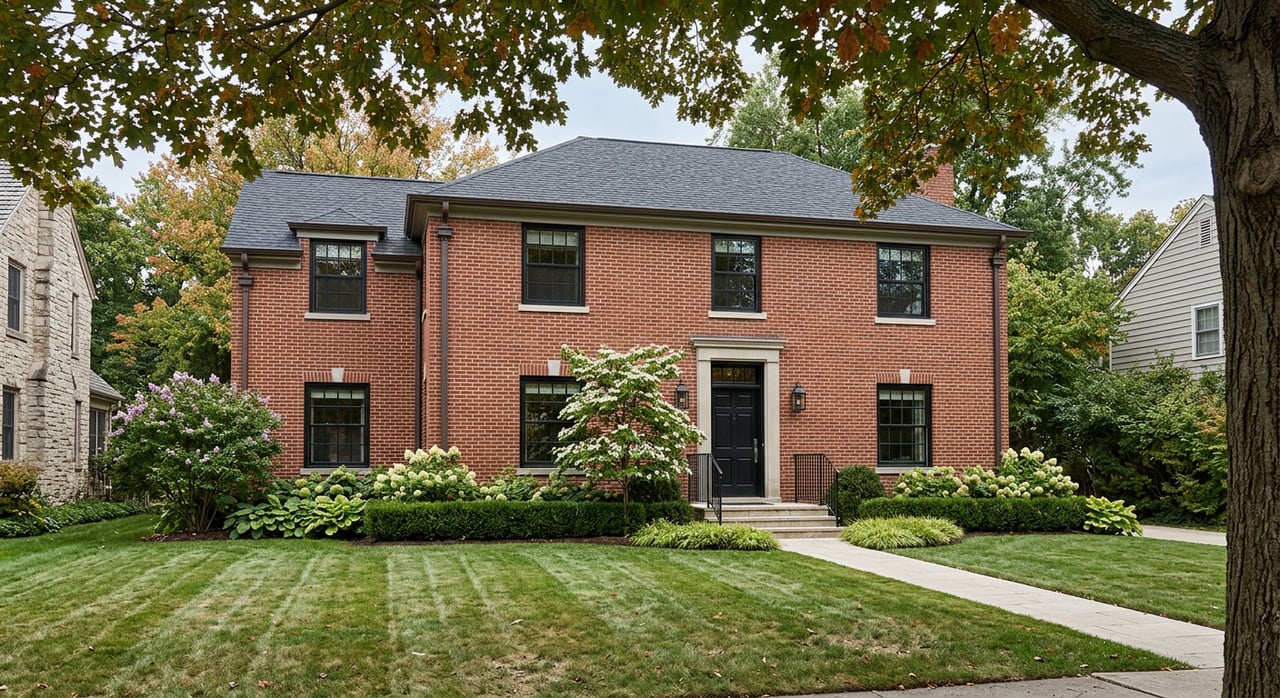
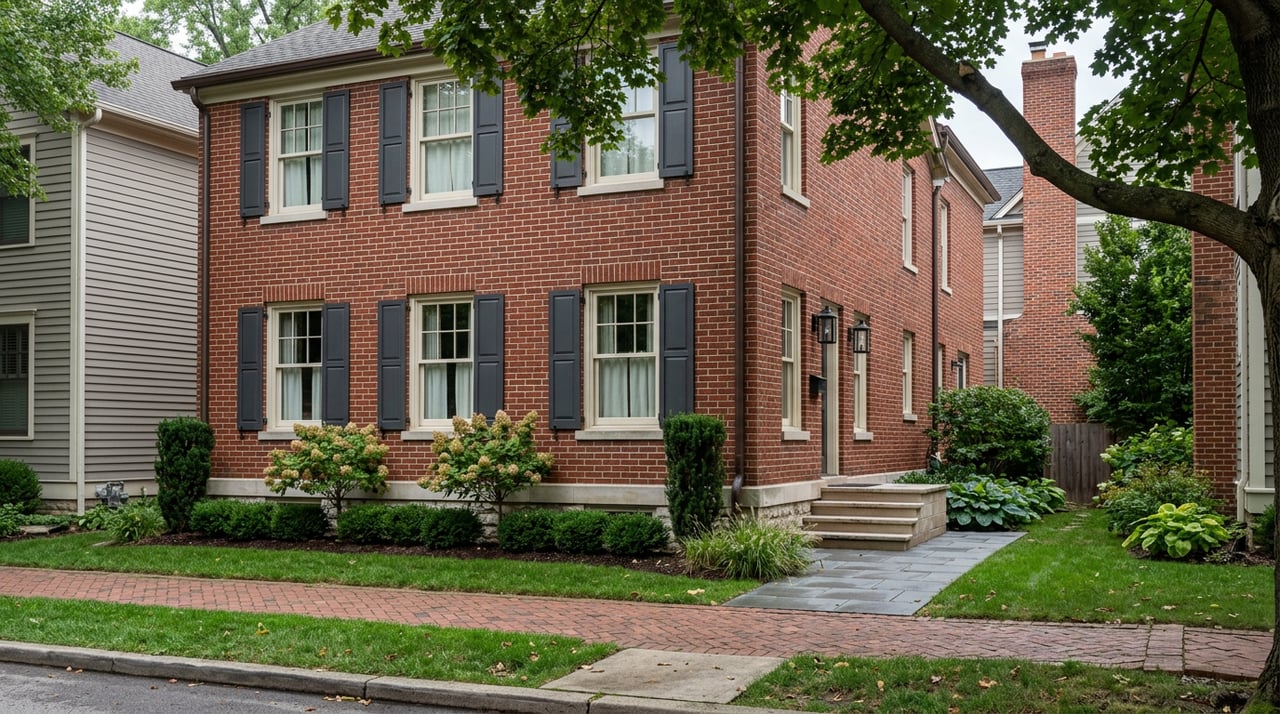
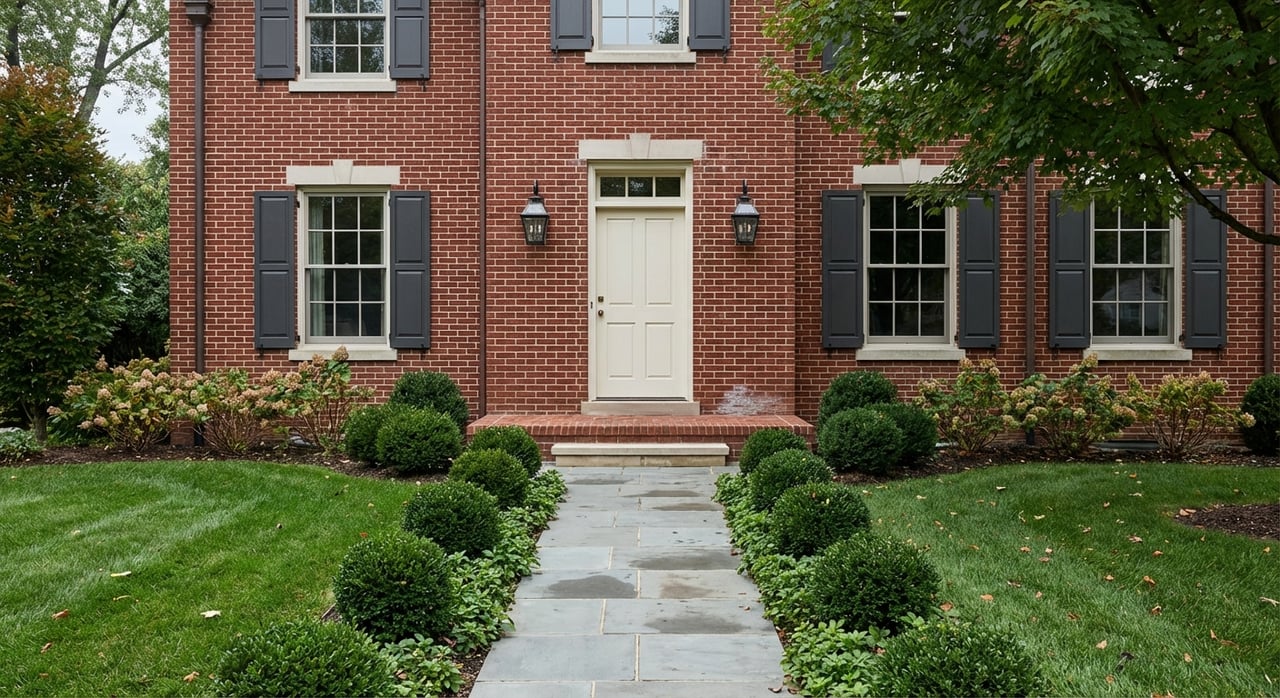
The village blends historic charm and modern luxury. The Robbins Park Historic District is a standout, with late 19th and early 20th century homes and brick streets. Robbins Park Historic District is listed on the National Register of Historic Places, and downtown Hinsdale also includes architecturally significant buildings.
At the same time, you will see new custom homes on infill lots throughout the village. Knowing which streets are guided by preservation standards and how new construction fits the block will help you make a smarter decision.
New vs. historic: cost and upkeep
Near-term maintenance in older homes
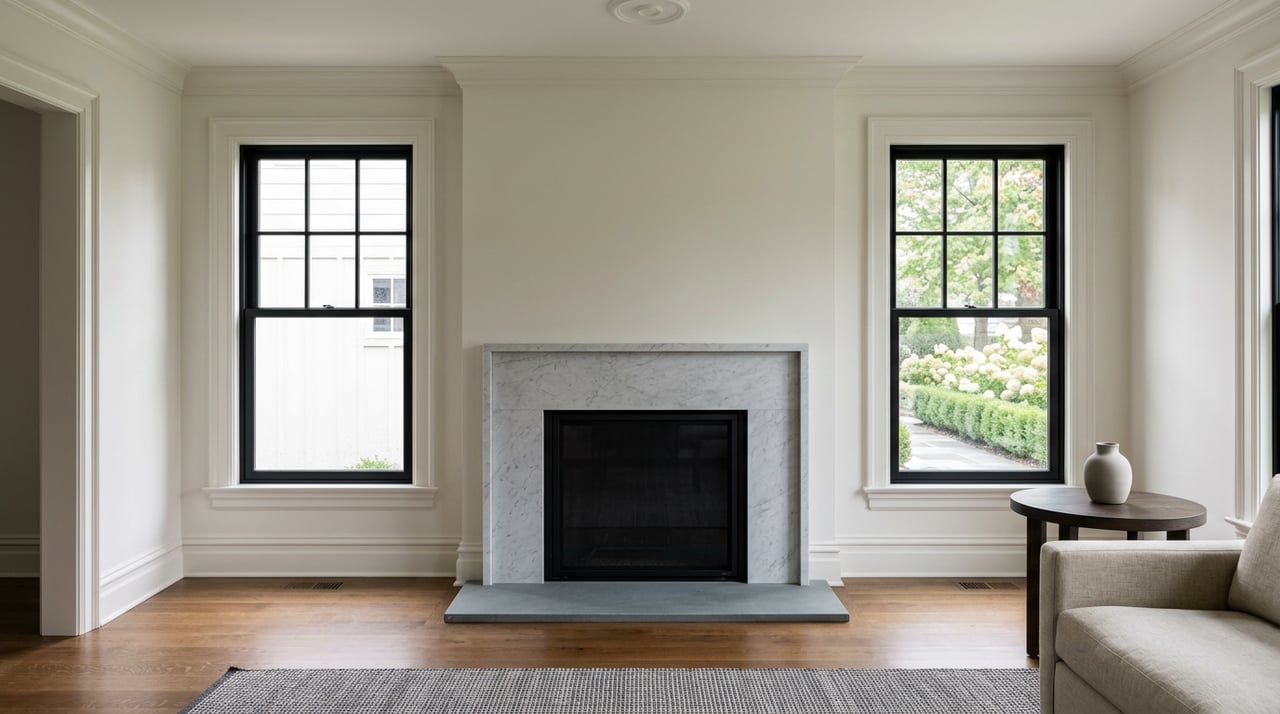
Older Hinsdale homes often deliver millwork, masonry, and proportions you cannot easily replicate. They can also come with deferred maintenance. Common items to inspect closely include:
- Lead-based paint if the home was built before 1978. Renovation work that disturbs old paint requires lead-safe practices. Learn more about why homes built before 1978 often contain lead-based paint.
- Electrical systems. Older electrical systems such as knob-and-tube wiring can be safety and insurance issues. Plan for upgrades if you see ungrounded outlets or vintage fuse boxes.
- Plumbing. Cast-iron or galvanized lines, aging water heaters, and sewer laterals may need repair or replacement. A sewer scope is a smart step in older neighborhoods.
- Envelope and roof. Original windows, minimal insulation, and older flashing can lead to moisture or energy loss. Roof age and condition matter. Exterior siding or masonry tuckpointing may also be on the horizon.
Aging systems are not deal-breakers, but they are budget items. Ask for service records and age of HVAC, roof, and water heater, then build those timelines into your offer and reserves.
Annual maintenance planning
For ongoing costs, a simple planning rule helps. In many markets, a common rule of thumb is to budget 1 to 3 percent, up to about 4 percent of home value per year. Older or less updated homes typically sit at the higher end. In Hinsdale’s price band, that reserve can be significant, so build it into your overall payment and cash plan.
New construction: costs and protections
New construction often carries a higher upfront price per square foot but lowers near-term repair risk. You will get modern HVAC, new roofing, and updated insulation from day one. Many builders also provide written warranties. Industry practice often follows a 1-2-10 style warranty structure: about 1 year for workmanship, 2 years for systems, and up to 10 years for major structural coverage. Always review the specific contract to confirm what is and is not covered.
Pro tip: Even on a new build, consider third-party inspections at pre-drywall and final walkthrough. A second set of eyes can help catch punch-list items early.
Permits and historic rules in Hinsdale
If you plan exterior work on an older home, check local rules early. Hinsdale maintains a Historic Overlay and offers a preservation incentive program that can include fee waivers, possible expedited processing, and matching rebates for eligible projects. The village also requires Certificates of Appropriateness for certain exterior changes in designated areas. Review the Historic Overlay and preservation incentives, and the Certificates of Appropriateness process before you set timelines.
This affects both buyers and sellers. Buyers should factor permit steps and village review into renovation schedules. Sellers of historic properties can use incentives and well-documented improvements to strengthen value and marketing.
Energy and comfort differences
New-build performance advantages
Many new homes are built to modern energy codes, and some meet third-party standards. ENERGY STAR highlights that certified new homes can deliver about 20 to 30 percent energy savings compared with typical new homes. Tighter envelopes, better insulation, and well-sized HVAC add up to lower operating costs and more consistent comfort.
Smart retrofits for older homes
If you lean historic, you can still improve efficiency with targeted upgrades:
- Air sealing and attic insulation to reduce drafts and improve comfort.
- High-efficiency HVAC or heat pump conversions.
- Window improvements, storm panels, or selective replacements where appropriate.
- Balanced ventilation and filtration for indoor air quality.
When you weigh upgrades for resale, lean on actual data. National Cost vs. Value data shows which projects tend to recoup more at resale. In many markets, modest, well-finished updates and high-quality exterior improvements outperform large luxury overhauls on a dollar-for-dollar basis. Apply those patterns to Hinsdale blocks and lot sizes, and avoid over-improving beyond what nearby comparables support.
Appraisal and resale realities
Two forces shape value over time: condition and functional utility. Appraisers look for defects that reduce livability or market appeal and separate issues into physical wear and functional obsolescence. Appraisers analyze functional obsolescence and caution against superadequacy, which is what happens when upgrades exceed what buyers on the block will pay. In a high-end suburb like Hinsdale, block-level ceilings and lot characteristics matter a lot.
Serious safety or structural problems can also trigger lender concerns. Homes with major deferred maintenance may require repairs before closing or face valuation adjustments. On the flip side, updated kitchens and baths, open flow, and strong mechanicals tend to help marketability, whether the home is historic or new.
Which fit is right for you
Choose a historic Hinsdale home if you value:
- Distinctive architecture and craftsmanship that tell a story.
- Walkable proximity to downtown and the Metra, depending on location.
- The satisfaction of thoughtful, period-appropriate upgrades over time.
Choose new construction if you want:
- Lower near-term maintenance and predictable system life.
- Strong energy performance and modern layouts.
- Builder warranty protection and fewer immediate projects.
Both paths can be excellent in Hinsdale. The right call comes down to your cash flow comfort, renovation appetite, timeline, and how you plan to use the home day to day.
Buyer checklists
If you are leaning historic
- Order a thorough, older-home-focused inspection. Include structure, full electrical review, sewer scope, and a lead paint risk assessment if built before 1978.
- Price out near-term projects. Prioritize HVAC, roof, plumbing, and moisture management. Set aside an annual reserve aligned with your home’s age and condition.
- Confirm insurance early. Older wiring or certain panel types can affect insurability and premiums.
- Map your permit path. Check whether exterior work needs a Certificate of Appropriateness and whether your project qualifies for local incentives.
If you are leaning new construction
- Get the warranty in writing. Clarify coverage periods, exclusions, and the process for service.
- Ask for energy documentation. Request any performance testing, HERS scores, and equipment lists. Confirm EV charging or solar readiness if that matters to you.
- Add third-party inspections. Consider pre-drywall and final inspections to catch items before closing.
- Compare the home to nearby sales. Make sure the price aligns with recent new-build comparables on similar lots and streets.
Ready to compare with data
Whether you want a lovingly maintained classic or a fresh, efficient build, a clear plan will save time and reduce risk. If you would like appraisal-informed pricing guidance, permit and ROI strategy, and a step-by-step purchase plan tailored to Hinsdale, connect with Scott Heichert. Move Confidently — Request Your Market-Accurate Valuation.
FAQs
What should I know about Hinsdale home prices before choosing new or historic?
- Hinsdale single-family prices commonly land in the upper six to low seven figures, and new construction often sits toward the higher end of that range. Budget for purchase price plus reserves for maintenance or upgrades.
Do I need special permits for exterior work on a historic Hinsdale home?
- In designated areas, exterior changes may require a Certificate of Appropriateness. Hinsdale also offers preservation incentives that can help with fees and timelines. Confirm requirements with the village before you start.
How much should I budget yearly for an older Hinsdale home?
- A practical planning range is about 1 to 3 percent of home value per year, up to roughly 4 percent for older or less updated homes. Adjust based on inspection findings and system ages.
Do new Hinsdale homes come with warranties?
- Many builders offer a 1-2-10 style warranty that covers workmanship for about 1 year, systems for about 2 years, and major structural items for up to 10 years. Always review the specific terms.
Can a lender require repairs on an older home before closing?
- Yes. Significant safety, structural, or systems issues can lead to required repairs or a valuation adjustment. Addressing major defects early can keep your financing and timeline on track.