Thinking about flipping or renovating in Burr Ridge? It can be an appealing market at first glance, especially when you see premium home values and large detached houses. But a strong rehab project here usually depends on more than a quick cosmetic update. You need to understand the housing stock, buyer expectations, permit rules, and pricing discipline before you commit. Let’s dive in.
Burr Ridge Market Snapshot
Burr Ridge is not a typical entry-level flip market. According to CMAP’s community data snapshot, 94.4% of occupied homes are owner-occupied, which points to a market shaped largely by end-user buyers rather than broad investor demand.
That owner-occupant profile matters because buyers in this type of market often compare homes closely on condition, layout, curb appeal, and overall fit with surrounding properties. The same CMAP data shows a median household income of $156,829 and a median owner-occupied home value of $700,400, reinforcing Burr Ridge’s position as a higher-priced suburban community.
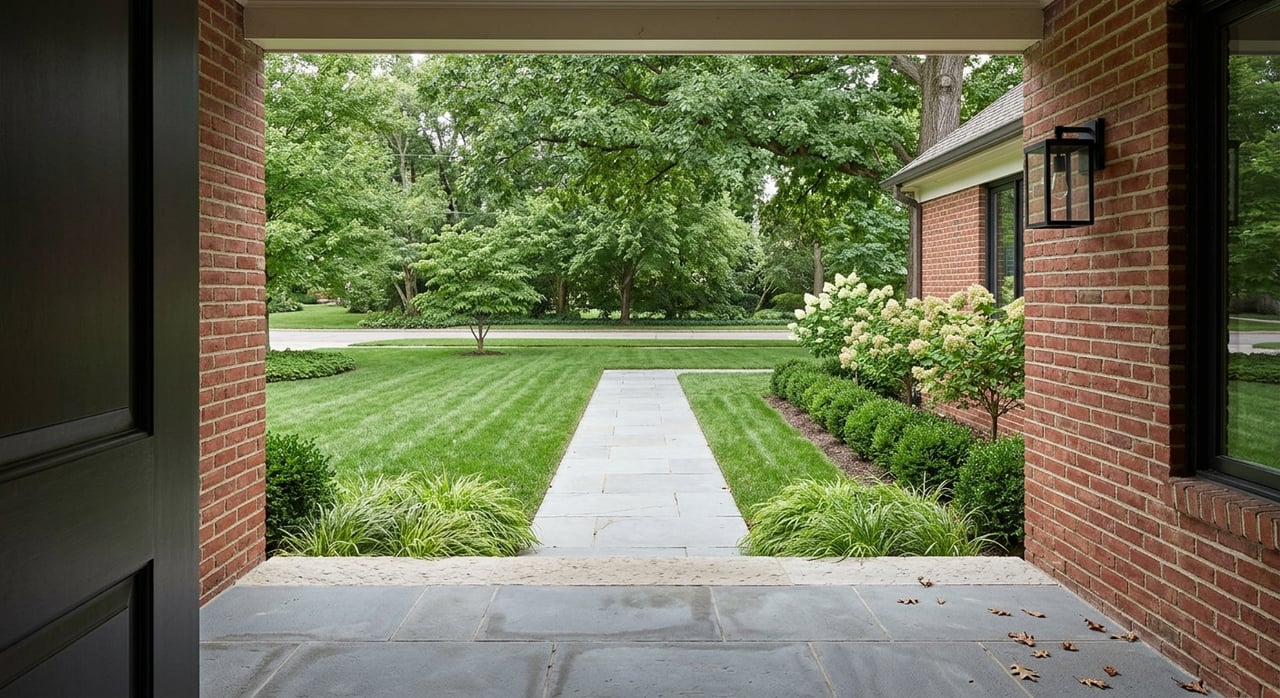
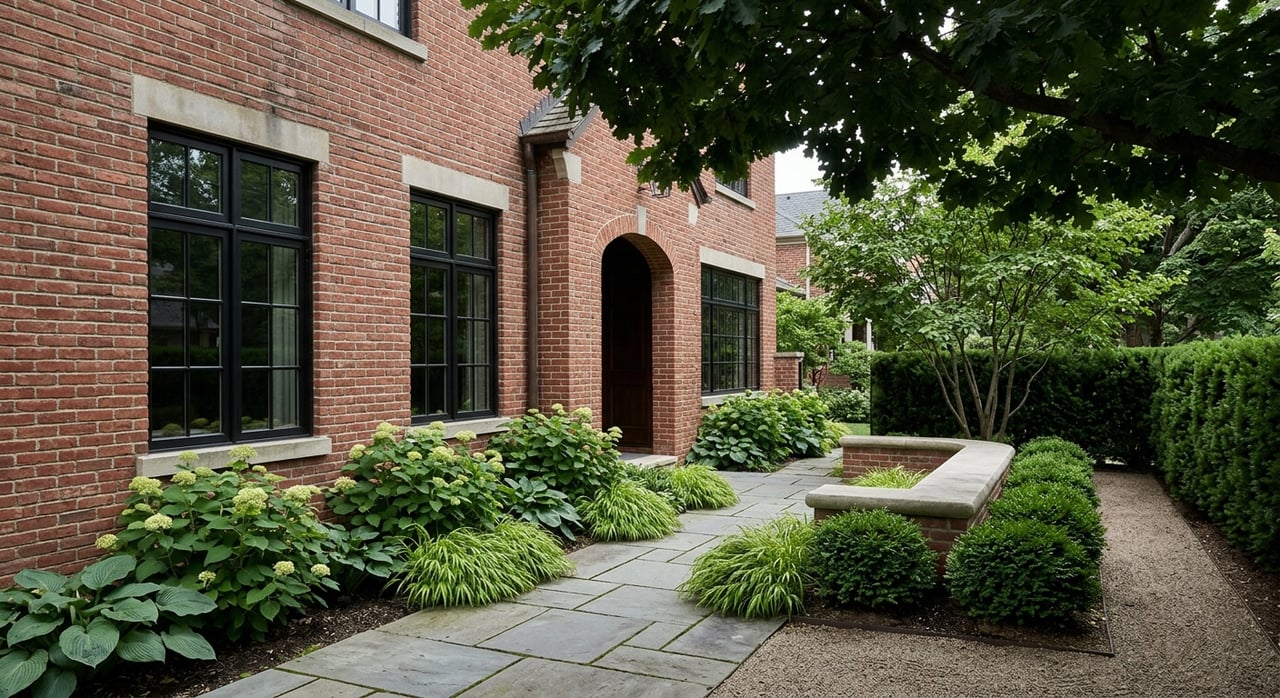
The village also describes Burr Ridge as a high-quality suburban community with low-density neighborhoods and wooded settings. For you as an investor or rehabber, that means the exterior presentation matters just as much as the finishes inside.
What Homes Make Sense to Rehabb?
The best rehab opportunities in Burr Ridge are usually dated homes with solid fundamentals, not distressed properties that need a complete reinvention. CMAP reports that 74.4% of the housing stock is single-family detached, while only a small share is multifamily. This supports the idea that Burr Ridge is primarily a detached-home resale market.
The age of the homes creates a clear value-add angle. CMAP’s housing profile shows 35.4% of homes were built from 1970 to 1989 and 40.2% were built from 1990 to 2009, with a median year built of 1989. That often means you may find homes with older kitchens, baths, flooring, lighting, or exterior finishes that feel behind current buyer expectations.
Home size also shapes your rehab strategy. In Burr Ridge, 31.3% of homes have 4 bedrooms and 19.4% have 5 or more bedrooms, with a median of 7.9 rooms. In practical terms, many homes already have the square footage and room count buyers want, so your job is often to modernize the presentation and improve function without fighting the original layout or neighborhood style.
Why Finish Quality Matters Here
In Burr Ridge, pricing mistakes can be expensive. This is a premium-price market, and buyers at this level tend to expect a home to feel complete, polished, and move-in ready.
Recent market snapshots support that. Redfin’s Burr Ridge housing market page reported a median sale price of $1.07 million, 91 median days on market, and a 93.7% sale-to-list ratio in February 2026. Realtor.com’s Burr Ridge overview reported a median listing price of $1.3 million, 35 active listings, 30 median days on market, and a 96% sale-to-list ratio in March 2026.
These sources use different methods, so the pace is not identical. Still, the shared message is clear: Burr Ridge is expensive enough that after-repair value depends heavily on finish level, pricing accuracy, and how well your renovation compares with nearby homes.
What Buyers Likely Expect
Because Burr Ridge is heavily owner-occupied, your likely resale buyer is often looking for a primary residence, not a bargain project. That shifts the standard for what counts as a successful rehab.
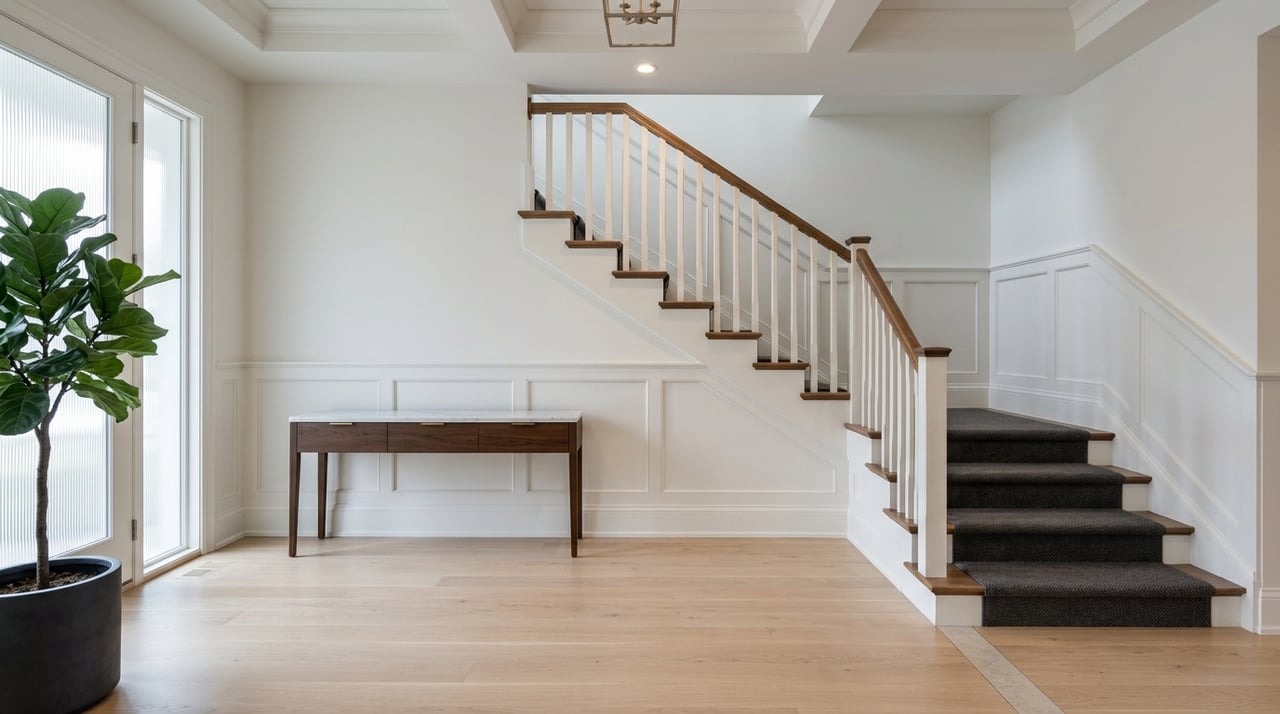
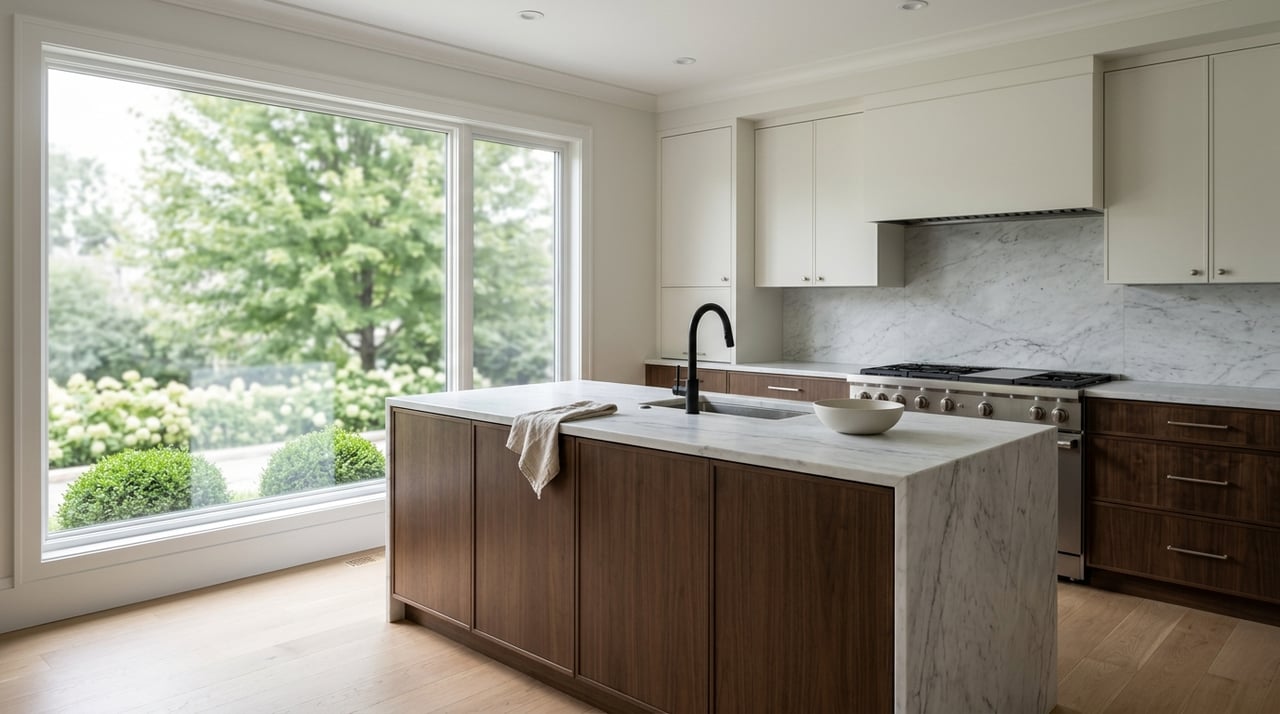
A light cosmetic refresh may not be enough if nearby homes offer stronger kitchens, better bath finishes, more cohesive design, or stronger curb appeal. In this market, buyers are more likely to notice whether the renovation feels fully thought through.
That does not always mean the most expensive materials. It usually means creating a finish package that feels appropriate for the home’s price tier, size, and surrounding competition. In Burr Ridge, condition parity with the local comp set can be a major driver of value.
Permit Rules You Need to Check Early
Before you budget your timeline, look carefully at local permit requirements. Burr Ridge’s planning approach is tied to preserving its low-density and wooded character, so project scope can trigger more review than some investors expect.
According to the village’s orientation and planning materials, a building permit is required for:
- Additions
- Detached buildings
- Decks and patios
- Pools
- Driveway replacements
- Fences
- Foundation work
- Interior or exterior wall changes
- Plumbing alterations
- Electrical alterations
- Grade changes
- Work in the public right-of-way or parkway
The village also notes that windows, doors, and roofing may be exempt when there is no enlargement or structural change. It further states that online permit applications are expanding and contractor registration is being implemented.
For you, the takeaway is simple: do not underwrite Burr Ridge like a fast-turn cosmetic market. Permit timing, contractor compliance, and scope clarity should all be part of your upfront due diligence.
Carry Costs Can Affect Your Margin
In a premium suburb, holding costs can add up fast. That includes financing, insurance, utilities, maintenance, and especially property taxes.
Burr Ridge taxes should be reviewed parcel by parcel, not estimated loosely from broad averages. The official DuPage County property records portal shows one Burr Ridge residential parcel with 2024 taxes payable in 2025 of $21,092.60. That is only one example, not a market-wide average, but it shows why tax modeling can materially change your deal math.
If your timeline slips because of permits, contractor delays, or a pricing correction, those costs can eat into your margin quickly. In a market like Burr Ridge, conservative underwriting is a strength, not a drawback.
When Burr Ridge Makes Sense
Burr Ridge can be a smart rehab market if your approach matches the location. It tends to work better for investors who can buy carefully, budget realistically, and deliver a finished product that belongs in the local premium comp set.
This market may be a better fit if you are planning to:
- Reposition a dated but structurally sound detached home
- Invest in quality finishes that match the price point
- Protect curb appeal and architectural fit
- Plan for permit review and carry costs
- Price the finished product based on realistic comparable sales
It may be a weaker fit if your plan depends on a shallow cosmetic flip, ultra-fast turnaround, or a rental-first strategy built on broad tenant depth. Based on the owner-occupant profile and limited inventory, Burr Ridge appears more aligned with a resale strategy than a bargain-driven volume play.
The Biggest Rehab Question
The key question in Burr Ridge is not just whether you can improve a house. It is whether your renovation will move that property into the right value tier without overcapitalizing.
That is where appraisal-informed thinking matters. In a market where comparable quality, layout, and finish level can influence value so heavily, you need to be honest about what buyers will pay for and what they will not. A beautiful renovation that overshoots the neighborhood can be just as risky as one that undershoots it.
If you are weighing a Burr Ridge project and want a grounded view of value, resale potential, and pricing strategy, Scott Heichert brings the perspective of both a broker and certified residential appraiser to help you move confidently.
FAQs
Is Burr Ridge a good market for a first-time rehab project?
- Burr Ridge may be challenging for a first-time rehabber because it is a premium market where finish quality, pricing accuracy, permit planning, and carry costs can all have a major impact on the outcome.
What type of homes are the best rehab targets in Burr Ridge?
- The most likely candidates are dated but fundamentally sound single-family detached homes, especially those built from the 1970s through the 2000s that can benefit from updated kitchens, baths, flooring, lighting, exterior finishes, and landscaping.
Do you need permits for common rehab work in Burr Ridge?
- Yes, Burr Ridge requires permits for many common project types, including additions, decks, patios, driveway replacements, fences, foundation work, wall changes, plumbing and electrical work, grade changes, and some exterior improvements.
How important are property taxes when evaluating a Burr Ridge rehab deal?
- Property taxes are very important because carrying costs can materially affect your margin, so you should review the specific parcel through the DuPage County property records system instead of relying on broad averages.
Why does pricing matter so much for a Burr Ridge flip?
- Pricing matters because Burr Ridge is a high-priced, owner-occupant-driven market where buyers often compare homes closely on condition, layout, finish quality, and overall fit with nearby properties.
How can Scott Heichert help with a Burr Ridge rehab resale?
- Scott Heichert can help with valuation-focused pricing guidance, investor dispositions, and resale strategy backed by his experience as a broker and certified residential appraiser.