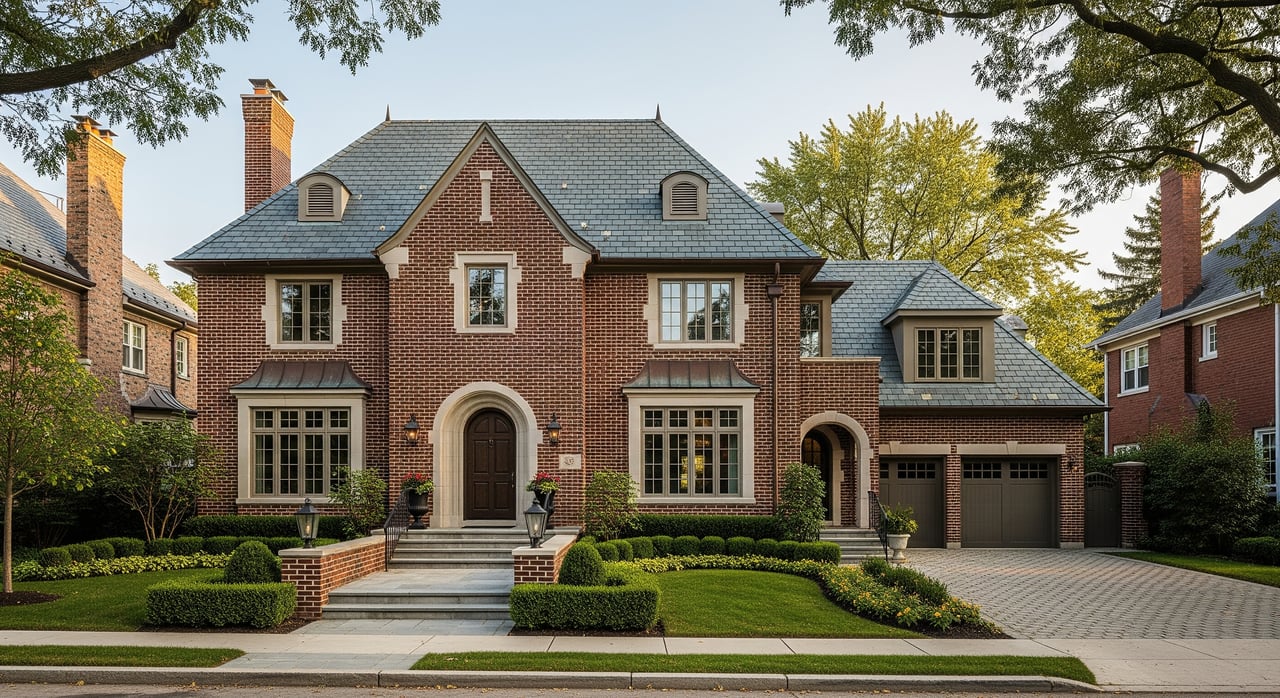
Are you running the numbers on a Hinsdale rental and wondering how to make them pencil out? In a village known for higher home values, older housing stock, and school-driven demand, a standard spreadsheet is not enough. You need local inputs and stress tests tailored to Hinsdale. In this guide, you’ll get a clear, step-by-step underwriting process, red flags to watch, and the key local checks that protect your returns. Let’s dive in.
Start with Hinsdale context
Hinsdale is an affluent suburban market with a large share of single-family homes and some multi-unit conversions. You’ll see a mix of historic properties and newer infill, which changes repair cycles and capex planning. Renters often include families and professionals who value proximity to local schools and amenities, which can support longer leases and lower turnover.
Purchase prices per door are typically higher than in less affluent suburbs, so cap rates can be tighter. That makes accuracy in rent estimates, taxes, and expenses essential. Also confirm which county a property sits in. Hinsdale spans DuPage and Cook counties, and assessment practices, permitting, and some services differ by county and parcel.
Step-by-step underwriting checklist
1) Define the property profile
- Unit type and mix: single-family or 2–4 unit conversion.
- Age and condition: roof, HVAC, plumbing, electrical, windows, foundations.
- Zoning and permitted occupancy: verify legal use and any nonconforming status.
- HOA factors: if applicable, note rental caps and fees.
2) Estimate market rent and Gross Potential Rent
- Pull 6–12 active and recently leased comps that match beds, baths, parking, yard, and finishes.
- Adjust for condition, square footage, and amenities.
- Set a realistic monthly rent, then calculate Gross Potential Rent.
- GPR = estimated monthly rent × 12.
3) Add other income
- Consider pet rent, storage, dedicated parking, or laundry if lawful and appropriate.
- Gross Potential Income = GPR + other recurring income.
4) Apply vacancy and credit loss
- Use a local vacancy factor that reflects Hinsdale demand and your turnover expectations.
- Many investors start at 5–10 percent and refine with local data.
- Effective Gross Income = GPI × (1 − vacancy%).
5) Build a local expense budget
Plan categories and verify each with quotes or history:
- Property taxes: pull the current tax bill and assessment history. Model potential increases.
- Insurance: obtain a landlord policy quote. Higher-value homes can carry higher premiums.
- Utilities: if owner-paid, budget based on actual bills and system efficiency.
- Maintenance and repairs: 5–10 percent of gross rent is a common starting range. Adjust for age and condition.
- Landscaping and snow removal: factor in seasonal needs for single-family homes.
- Property management: 6–10 percent of effective gross income for third-party managers.
- Legal and accounting: include lease-up legal costs and tax prep.
- Marketing and turnover: cleaning, paint, flooring touch-ups, mandatory inspections if required.
- Reserves and capex: set aside for roof, HVAC, windows, and big-ticket systems. $250–$1,000 or more per unit per year is a typical range, scaled to age and condition.
- HOA dues: if applicable.
Operating Expenses = sum of all categories above.
6) Calculate NOI
- NOI = Effective Gross Income − Operating Expenses.
- Use conservative inputs. In older Hinsdale homes, one major system can swing results.
7) Layer in financing
- Get a live loan quote: rate, term, amortization, LTV, and fees.
- Annual Debt Service = monthly mortgage payment × 12.
- Confirm lender DSCR requirements for investment loans.
8) Measure returns and risk
Key metrics to calculate:
- Cap Rate = NOI / Purchase Price.
- GRM = Purchase Price / GPR.
- Pre-tax Cash Flow = NOI − Annual Debt Service.
- Cash-on-Cash Return = Pre-tax cash flow / Initial cash invested.
- DSCR = NOI / Debt Service.
- Break-even ratio = (Operating expenses + Debt Service) / Gross Scheduled Income.
9) Run sensitivity cases
- Test rent drops and higher vacancy: identify the break point where cash flow turns negative.
- Add surprise capex: roof, sewer, or HVAC hit in year one.
- If the loan is variable or you plan to refinance, stress-test rate increases.
Taxes, ordinances, and compliance
- County matters: Hinsdale spans DuPage and Cook counties. Always verify the parcel’s county of record and review the latest tax bill and assessment history.
- Property taxes: suburban Chicago taxes can be material. Review taxing districts and plan for reassessment changes and appeal timelines.
- Village rules: check the Village of Hinsdale for rental registration or licensing, building permits, and habitability standards. Some towns require inspections at turnover, which can affect timing and cost.
- Zoning: confirm that the existing or planned use is permitted. Document any legal nonconforming status.
- Illinois landlord obligations: follow state rules on disclosures, security deposits, notices, repairs, and eviction procedures. Understand current post-pandemic timelines before modeling an eviction scenario.
- Lead-based paint: for properties built before 1978, plan for disclosure and possible mitigation costs.
- Environmental and systems: consider radon testing and sewer scope. Older homes may include asbestos or outdated wiring that impacts cost.
Financing options that fit Hinsdale
- Conventional investor loans: expect higher rates and down payments than owner-occupied loans. Many lenders look for minimum DSCR thresholds.
- Owner-occupied 1–4 unit loans: if you lawfully live in one unit, you may qualify for lower rates and down payments.
- Agency loans for 2–4 units: Fannie Mae and Freddie Mac guidelines vary. Expect reserve requirements and income documentation.
- Local banks and credit unions: community lenders may offer flexible terms informed by suburban rental performance.
- Cash purchases: remove financing risk but weigh the opportunity cost and tax strategy.
Documentation lenders often request:
- Rent roll and executed leases with deposit records.
- Historical operating statements, utility bills, and tax returns for seasoned rentals.
- Borrower financials and credit profile.
- An appraisal that reflects the income approach where appropriate.
Due diligence: your verification list
- Confirm parcel county and pull assessor records and the latest tax bill.
- Check MLS history and closed comps for both sales and rentals.
- Gather 12–24 months of operating statements if the property is already rented.
- Validate rent comps using multiple sources, including local property managers.
- Order inspections: general, roof, HVAC, plumbing and electrical, sewer scope as needed, radon, and termite.
- Get contractor bids for immediate repairs and larger capex.
- Obtain landlord insurance quotes and review any past claims.
- Check zoning, permit history, code violations, and municipal liens with the Village.
- Review HOA rules for rental caps or extra fees.
- Confirm who pays each utility and review actual usage where possible.
- Ensure compliance with lead paint disclosures and any local rental safety requirements.
Red flags to watch in Hinsdale
- A price that looks far below neighborhood sales without a clear reason.
- Unmatched tax parcels or unclear county records.
- Significant deferred maintenance on historic or older systems that lacks firm bids.
- HOA rental restrictions that limit your leasing plan.
- Rent projections pulled from metro averages rather than Hinsdale-specific comps.
- Missing leases or deposits not documented in writing or bank records.
Simple worksheet: plug in your numbers
Use these formulas as you compare properties. Replace placeholders with your actual inputs.
- GPR = monthly rent × 12
- GPI = GPR + other recurring income
- Effective Gross Income (EGI) = GPI × (1 − vacancy%)
- Operating Expenses = taxes + insurance + utilities + maintenance + landscaping/snow + management + legal/accounting + marketing/turnover + HOA + reserves
- NOI = EGI − Operating Expenses
- Annual Debt Service = monthly mortgage payment × 12
- Pre-tax Cash Flow = NOI − Annual Debt Service
- Cap Rate = NOI / Purchase Price
- GRM = Purchase Price / GPR
- Cash-on-Cash = Pre-tax Cash Flow / Initial Cash Invested
- DSCR = NOI / Debt Service
Tip: Keep a second tab that shifts rent down 5 percent, vacancy up 2 points, and adds one major capex item. If the deal still clears your DSCR and cash-on-cash targets, you likely have a stronger buy.
Next steps
- Start with Hinsdale-specific comps and the exact parcel’s county tax records.
- Get a full inspection and contractor estimates before finalizing your offer.
- Shop multiple lenders, including local banks, and test DSCR at different rates.
- Run conservative sensitivity cases to understand your downside.
If you want appraisal-informed pricing guidance and a clean underwriting framework for your next purchase, connect with Scott Heichert. Move confidently with market-accurate valuation and local due diligence on your side.
FAQs
What makes underwriting a Hinsdale rental unique?
- Higher purchase prices per door, older housing stock with larger potential capex items, school-influenced demand patterns, and county-specific tax differences all require tighter, locally verified inputs.
How should I estimate property taxes for a Hinsdale property?
- Pull the latest tax bill and assessment history for the exact parcel, confirm its county, and model potential increases based on reassessment cycles and appeal outcomes.
What vacancy rate should I use in my model?
- Many investors start with 5–10 percent, then adjust using local comps, time-on-market, and expected turnover. Family-oriented demand may support longer tenancies, but verify with current data.
Are there rental licensing or registration requirements in Hinsdale?
- Check the Village of Hinsdale’s current rental and inspection rules. Some towns require registration or inspections at turnover, which can add cost and time.
Which financing options work best for a single-family rental here?
- Conventional investor loans are common. If you plan to live in a unit of a 2–4, owner-occupied loans may offer lower down payments. Local banks can provide flexible terms informed by suburban performance.
How do schools affect rent and turnover in Hinsdale?
- Many renters consider proximity to local schools when choosing a home, which can influence lease length and demand stability. Use property-specific comps rather than general metro averages.